



URGENT UPDATE: The Southern Hemisphere’s first cell-based vaccine manufacturing facility has just opened in Tullamarine, marking a significant milestone for Australia’s health security. The new CSL Seqirus plant is poised to produce critical health products, including pandemic and seasonal influenza vaccines, lifesaving antivenoms, and Q-Fever vaccines.
Unveiled on December 2, the facility is backed by a $1 billion, ten-year agreement between the federal government and Seqirus, a subsidiary of CSL. This partnership ensures that Australia will have a robust supply of essential vaccines through to 2036.
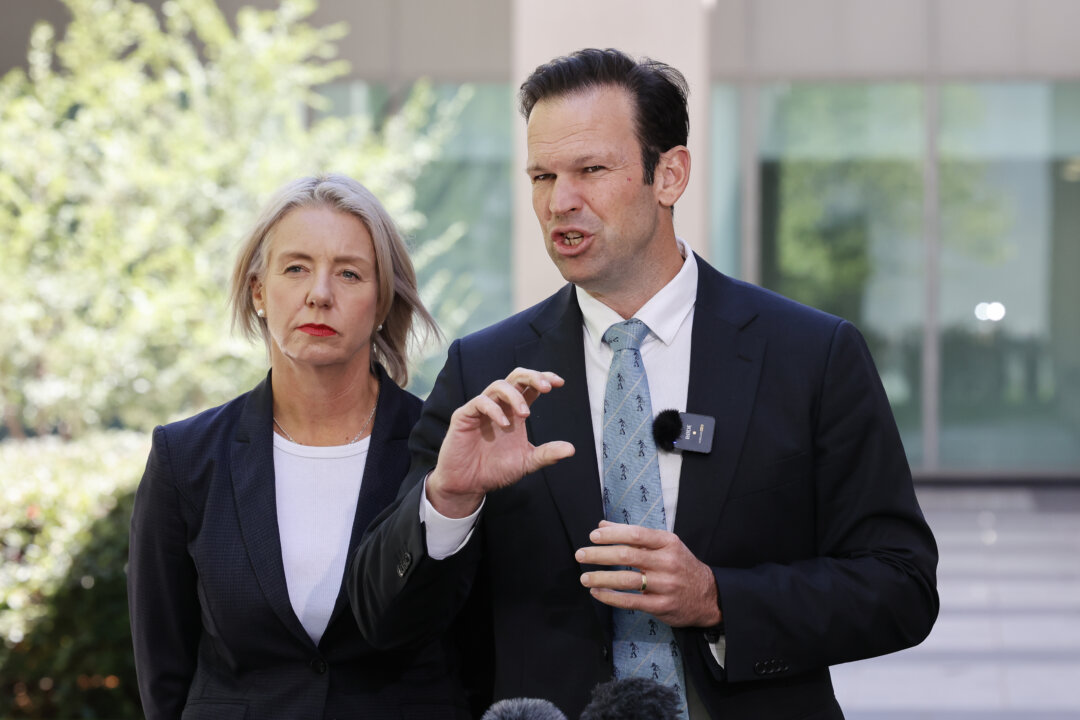
Health, Disability and Ageing Minister Mark Butler emphasized the significance of this development, stating, “This new world-class manufacturing plant in Melbourne means we won’t have to wait in a queue to receive critical vaccines from overseas suppliers in an emergency.” This facility is set to enhance Australia’s preparedness for future pandemics, providing much-needed autonomy in health crises.
The state government has confirmed that the Tullamarine facility will generate over 350 high-skilled jobs in Victoria’s advanced manufacturing sector, contributing to the broader life sciences and medical technologies supply chain. Economic Growth and Jobs Minister Danny Pearson noted, “Victoria leads the nation in vaccine innovation and medical research, supporting more than 30,000 jobs in this sector.” This investment positions Victoria as a global leader in cell-based influenza vaccines.
Operations at the plant are expected to commence in early 2024 for influenza vaccines, with production of antivenoms and Q-Fever vaccines slated for mid-2024. Local MP Josh Bull highlighted the community impact, stating, “We’re proud to support a world-leading facility to open right here in Sunbury, delivering hundreds of high-skilled local jobs.”
With Melbourne now home to two world-class manufacturing facilities of this kind, the state is solidifying its position as a hub for advanced manufacturing in the Southern Hemisphere. This development not only strengthens Australia’s health security but also fosters economic growth and job creation.
As the facility gears up for operations, the community and stakeholders are keenly watching to see how this initiative will reshape Australia’s approach to vaccine production and health readiness.