



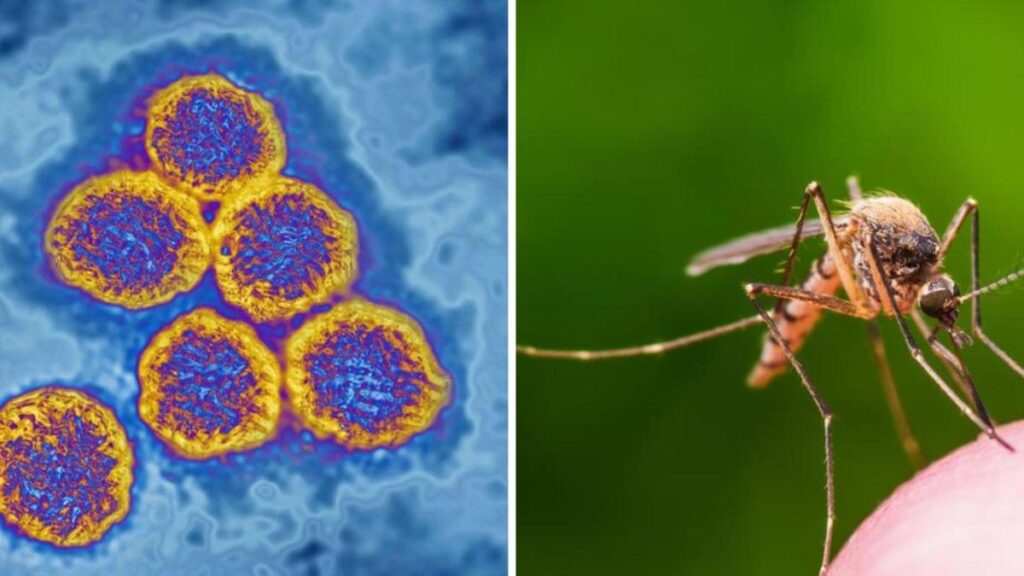
URGENT UPDATE: Australia faces a serious health warning as two mosquito-borne viruses have been detected in Victoria and NSW within the last week. Health officials are urging residents to take immediate precautions this summer following the discovery of Japanese encephalitis in a mosquito trap in Horsham, marking the first report for the 2025-2026 season.
Victorian Chief Health Officer Caroline McElnay stressed that “anyone can be bitten by mosquitoes,” but individuals spending time outdoors in northern Victoria, particularly near rivers, are at heightened risk. Following this detection, authorities confirmed that 60 local government areas in NSW are now classified as high-risk for this potentially deadly disease.
In addition to Japanese encephalitis, the Kunjin virus was found in Cowra on November 20 during routine health checks on sentinel chicken blood samples. Stephen Conaty, NSW Health Director of Health Protection, warned that with rising temperatures, mosquito populations are expected to surge. He emphasized the importance of protecting oneself from bites, as they can transmit serious illnesses including Japanese encephalitis and Murray Valley encephalitis.
Japanese encephalitis virus (JEV) is primarily spread through mosquito bites, similar to other flaviviruses like dengue fever. It does not transmit between humans. According to epidemiologist Kishor Kumar Paul from UNSW Sydney, “mosquitoes pick up the virus from infectious animals,” particularly pigs, horses, and large wading birds. Although infection is rare, when it occurs, it can lead to serious, sometimes fatal, illnesses, with approximately 1 in 250 cases resulting in severe brain infections.
Symptoms of JEV may remain unnoticed in many individuals, but some can experience mild symptoms before progressing to severe brain inflammation, which can be life-threatening. Symptoms to watch for include severe headaches, high fever, vomiting, convulsions, and sudden behavioral changes.
Kunjin virus, a subtype of the West Nile virus, is also transmitted via mosquito bites. It typically infects those in proximity to rivers and wetlands, especially during summer and early autumn. While Kunjin infections are generally milder than JEV, symptoms can still include fever, swelling of lymph nodes, and joint pain.
Currently, there is no specific treatment for either JEV or Kunjin viruses. However, a safe and effective vaccine is available for JEV, and health officials recommend it for those at ongoing risk. Unfortunately, no vaccine exists for Kunjin or other mosquito-borne diseases in Australia.
Residents are advised to protect themselves by using mosquito repellents, wearing light-colored clothing, and avoiding outdoor activities during peak mosquito activity times at dawn and dusk. Mosquito breeding sites, such as stagnant water, should be regularly checked and eliminated.
With mosquito populations rising and the threat of severe illness looming, authorities emphasize that vigilance is crucial. This situation is evolving quickly, and residents are encouraged to stay informed and take necessary precautions immediately.