



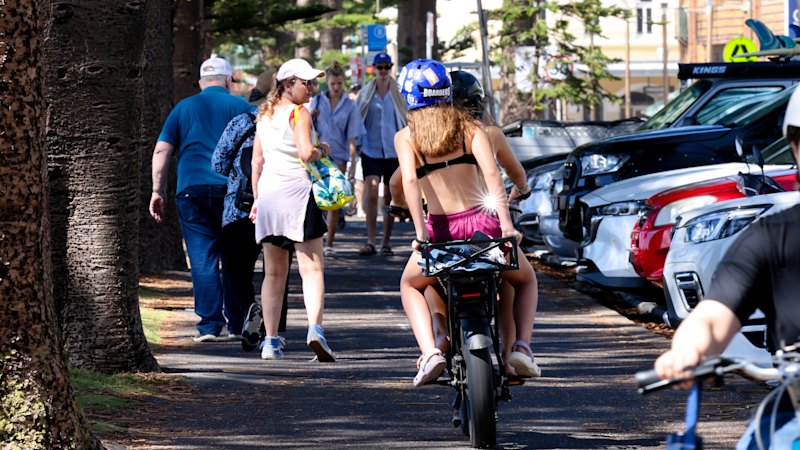
UPDATE: Following a dramatic rise in e-bike related injuries, the NSW Government is facing mounting pressure to implement mandatory insurance for e-bike owners. Recent data reveals a staggering 49 percent increase in injuries from 103 cases in 2024 to 153 cases in 2025 reported at St Vincent’s Hospital in Sydney.
This urgent push, led by doctors and legal experts, advocates for e-bikes to be covered under the same compulsory insurance requirements as traditional motor vehicles. Transport Minister John Graham confirmed that the government is actively exploring insurance options for privately owned e-bikes, with public consultations expected to begin later this year.
The Australian Lawyers Alliance and the NSW Bar Association are key proponents of this movement, emphasizing the need to close a glaring “compensation gap” that leaves uninsured e-bike riders and victims vulnerable to financial hardship following collisions.
E-bike ownership has surged across NSW, yet current regulations only mandate compulsory third-party insurance for shared e-bike schemes, leaving privately owned devices unregulated. “E-bikes can weigh as much as motorbikes,” warned barrister Andrew Stone SC. He highlighted the severe consequences victims face, often incurring exorbitant medical costs and suffering long-term injuries without recourse to adequate compensation.
Injuries reported from e-bike collisions are increasingly severe. Dr. Tom Crofts, an emergency specialist at St Vincent’s Hospital, noted that the types of injuries observed are more akin to those from motorcycle accidents. Many incidents involve speed, alcohol, or lack of protective gear. “People are left with permanent disabilities, and the government’s current approach is treating e-bikes like toys rather than the serious vehicles they are,” he stated.
The NSW Government is responding to safety concerns, with Minister Graham acknowledging the significant risks associated with e-bikes. “There are more than a million e-bikes and e-scooters in NSW, which is why we are building a safety-focused set of rules to protect riders and pedestrians,” he said.
Opposition Transport spokeswoman Natalie Ward expressed openness to exploring potential insurance schemes but emphasized the need to identify the primary rider groups causing community distress. “To have them external to any system of regulation or insurance is just insane,” she remarked.
However, challenges loom ahead. Michael Timms, chair of the Australasian College of Road Safety, pointed out the difficulties of implementing a mandatory insurance scheme, particularly given the young demographic of e-bike users, most of whom are aged 25-34.
In light of these developments, the Insurance Council of Australia has urged e-bike owners to take proactive steps to protect themselves, suggesting standalone insurance for personal accidents and public liability.
Furthermore, the NSW Premier Chris Minns recently announced broader safety regulations, including plans to reduce the legal power limit for e-bikes from 500 watts to 250 watts, aligning NSW with national standards.
As the government prepares to review insurance options and safety regulations, the stakes are high for e-bike users and the general public alike. The call for mandatory insurance is not just about regulation; it’s about ensuring safety and accountability on the roads as e-bike usage continues to rise dramatically.
Stay tuned for updates on the public consultation and potential changes in e-bike insurance regulations in New South Wales.