




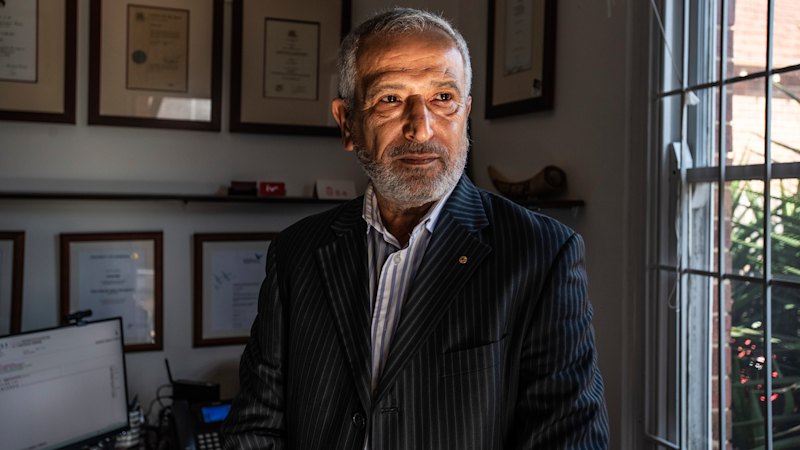
UPDATE: A prominent Australian doctor, Jamal Rifi, has issued an urgent plea for the repatriation of 34 Australian citizens, including women and children, currently trapped in detention camps in Syria. This announcement comes amid rising tensions and misinformation surrounding their return, which Rifi argues is crucial for Australia’s long-term safety.
In a powerful statement released earlier today, Rifi clarified his role in the repatriation efforts, emphasizing the dire conditions faced by these families in the al-Roj and al-Hawl camps. He expressed deep concern over proposed legislation by Opposition Leader Angus Taylor that could criminalize assistance for their return, calling it a “flawed policy proposal.” Rifi stated that such measures could also implicate charities and supporters working to help these families.
Rifi, who has been actively involved in humanitarian efforts in Syria for over a decade, described the horrific conditions the children face. He noted the alarming lack of support from the Albanese government in recent months. “We have not, to our disappointment, received any help from the Albanese government to repatriate the families,” he said, adding that previous efforts by both the Morrison and Albanese administrations had successfully brought some women and children home.
The doctor highlighted the emotional and health challenges faced by the families, particularly the children, who have only known life in these barbed-wire enclosures. He stated, “Children should not suffer the consequences of a parent’s evil deeds,” urging the Australian government to reconsider its stance on the repatriation.
The backdrop of his call involves a recent wave of political rhetoric in Australia, particularly following a tragic terrorist attack in Bondi that claimed 15 innocent lives. Rifi emphasized the need for compassion, stating that failing to act now could lead to a deteriorating situation in Syria, making future repatriations impossible.
As the situation unfolds, Rifi, alongside family members and humanitarian organizations, continues to advocate for these vulnerable Australians. “If we fail to act, we fear it will soon become too late to act at all,” he warned.
The call to action is clear: bringing these families home is not just a matter of policy; it is a humanitarian imperative that addresses the safety and well-being of innocent children.
What happens next remains uncertain, but Rifi’s plea highlights the urgent need for a compassionate response from Australian authorities. As this story develops, the focus will be on whether the government will shift its approach and prioritize the repatriation of these families trapped abroad.