




New research has just revealed that nearly half of the refugees living in regional Australia face discrimination and racism. The study, conducted by the University of Wollongong, highlights urgent issues for refugees who fled violence and turmoil to seek a better life in Australia.
The Settling Well study, part of a four-year research initiative, surveyed 628 refugees from 32 different countries across regional towns in New South Wales, Victoria, and Queensland. It found that while 97 percent of refugees enjoyed their regional experience, a striking 50 percent reported facing discrimination or racism.
Despite the challenges, the report indicates a positive outlook for many refugees. 76 percent of respondents plan to settle in their current towns long-term, with 88 percent rating their community as a good place to live. Yet, the prevalence of racism remains a significant barrier.
The report states, “Although many former refugees reported few instances of racism, others described concerning experiences at structural, institutional, and individual levels.” The findings call for immediate action from community groups and local councils to address these issues and enhance inclusivity.
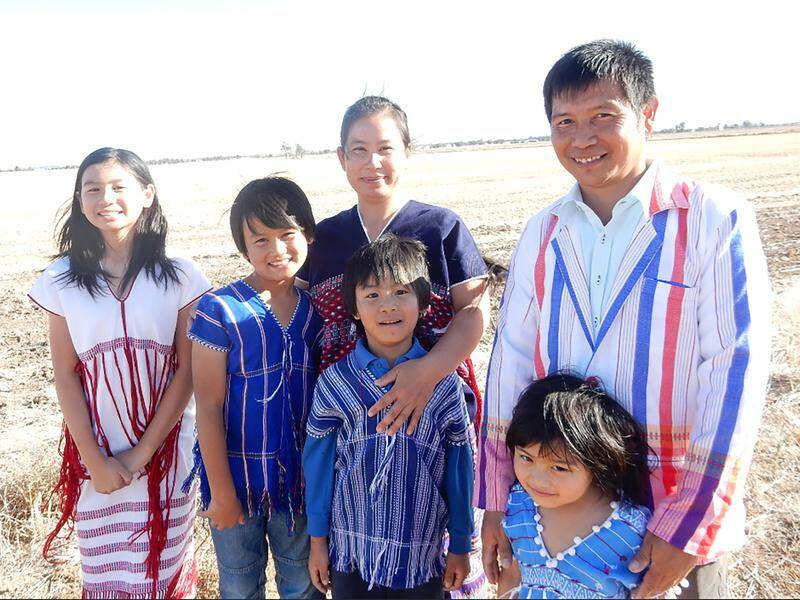
Former refugee Kaw Doh, who settled in Nhill, Victoria, shared his transformative journey. After living for seven years in a refugee camp on the Thai-Burma border, he moved to Australia twelve years ago. “I found it very different at first,” he reflected. “Melbourne was very expensive, and here we had work.” Since the Karen community settled in Nhill, around 20 families have purchased homes, contributing positively to the local economy.
The study’s findings underscore the economic impact refugees have on regional areas, as they fill workforce gaps and start new businesses. Yet, the emotional and social toll of racism cannot be overlooked. Refugees often find themselves shouldering the burden of combating prejudice, which affects their integration and overall well-being.
As local communities grapple with these revelations, the need for a concerted effort to combat racism and discrimination has never been more urgent. The report emphasizes that addressing these societal issues is crucial for fostering an inclusive environment for refugees who contribute significantly to their new homes.
For more updates on this developing story, stay tuned.
