




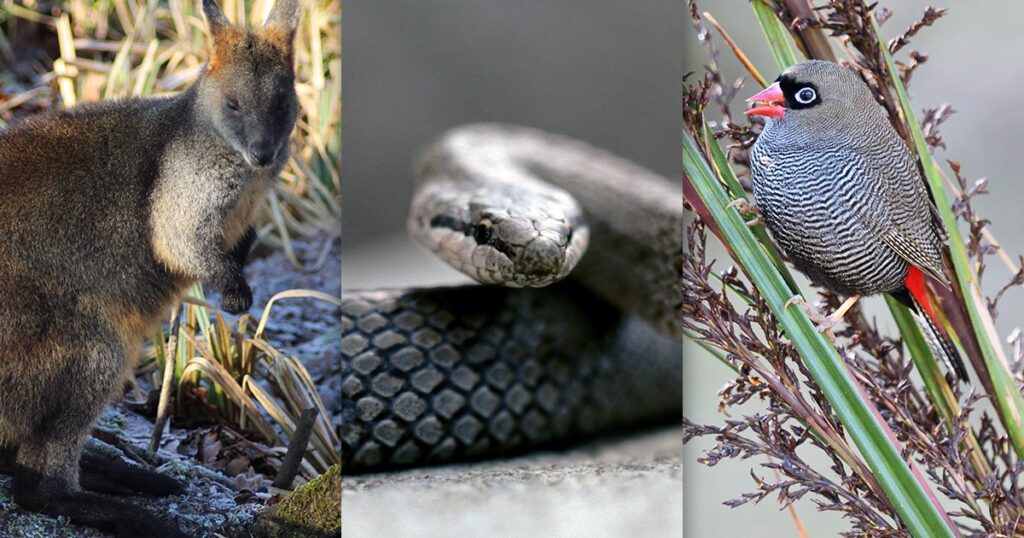
UPDATE: Just announced, the Government of Australia has added several new species to the critically endangered and endangered lists as part of an urgent conservation plan outlined today. This crucial step aims to protect biodiversity and initiate a pathway for recovery, highlighting the dire state of these species.
The announcement was made earlier today, October 5, 2023, during a press conference held at the Department of Environment in Canberra. Officials revealed that detrimental factors such as habitat loss, climate change, and invasive species have pushed these vulnerable populations closer to extinction.
Among the newly listed species are the Eastern Curlew, a migratory bird known for its long beak, and the Western Swamp Tortoise, which has seen its numbers dwindle dramatically over the past few decades. The government has reported that without immediate action, these species could vanish in a matter of years.
WHY THIS MATTERS NOW: The implications of this announcement extend beyond these species alone; it speaks to the broader environmental crisis facing Australia and the world. Biodiversity loss is not just an ecological issue but a pressing human concern, affecting food security, water resources, and climate stability.
The conservation plan includes a multi-faceted approach that involves habitat restoration, community engagement, and funding for scientific research. The government has allocated $10 million to kickstart these initiatives, aiming to create a sustainable framework for protecting endangered wildlife.
WHAT’S NEXT: As part of this urgent effort, the government is calling for community involvement in conservation activities. Public awareness campaigns are set to launch next week, encouraging citizens to participate in local conservation projects.
Officials stress that time is of the essence, stating that “we must act decisively to ensure the survival of these species.” The Environmental Protection Agency will be monitoring progress closely, with updates expected quarterly.
Stay tuned for more developments as this critical situation unfolds. The future of these species—and the health of our planet—depends on immediate action and widespread support.
