



UPDATE: A coroner’s inquest has revealed that Ashley Jenkinson, the pilot of a helicopter involved in a tragic mid-air collision at Sea World on January 2, 2023, was likely impaired due to cocaine withdrawal, alcohol hangover, and fatigue. This shocking development raises urgent questions about pilot safety and the events leading up to the deadly crash that claimed four lives.
During the inquest, toxicologist Dimitri Gerostamoulos testified that Jenkinson had used cocaine and consumed alcohol at a New Year’s Eve party just hours before the fatal flight. Eyewitness accounts indicate he was seen inhaling cocaine and drinking 12 beers and whiskey. Despite testing positive for cocaine during an autopsy, the Australian Transport Safety Bureau concluded that he was “unlikely to have been directly affected” by the drug at the time of the accident.
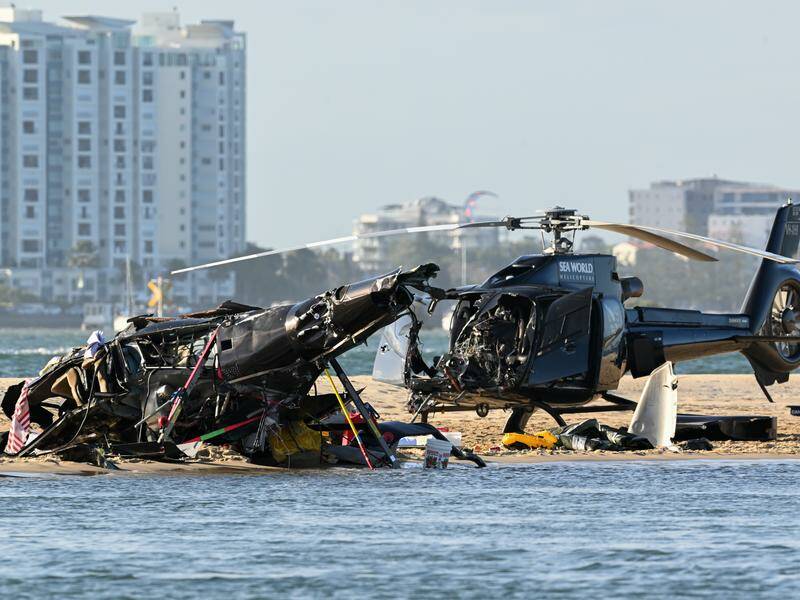
The mid-air collision involved Jenkinson’s helicopter crashing into another Sea World chopper just 25 seconds after takeoff, resulting in the deaths of British newlyweds Ronald and Diane Hughes, both aged 65 and 67, and Vanessa Tadros, a 36-year-old mother from Sydney.
As the inquest unfolds, experts are examining the implications of Jenkinson’s condition before the crash. Dr. Katherine Robinson, a senior forensic physician, stated that the subtle signs of impairment might not be easily detectable without proper assessment. Jenkinson had claimed he was fit to fly, but the circumstances surrounding his drug and alcohol use raise serious concerns about his awareness of his own impairment.
Dr. Jeffrey Brock, an Australian Army aviation medical officer, expressed that the likelihood of Jenkinson being impaired during the flight had shifted from possibility to probability based on witness testimonies and evidence presented. Conversely, forensic pharmacologist Judith Perl noted that while it was possible Jenkinson’s flying ability was significantly affected, it was not necessarily probable, suggesting the quality of the cocaine could have been poor.
The inquest is set to hear from executives of Sea World Helicopters next week, further investigating the operational procedures and safety measures in place that might have contributed to this tragic incident. As the investigation continues, the implications for aviation safety and regulatory standards are becoming more critical, highlighting the need for stringent oversight in the wake of such devastating events.
This urgent update calls attention to the pressing issues of pilot fitness and regulation in the aviation industry, leaving many questioning what changes may be necessary to prevent future tragedies. Stay tuned for further developments as this story continues to unfold.