




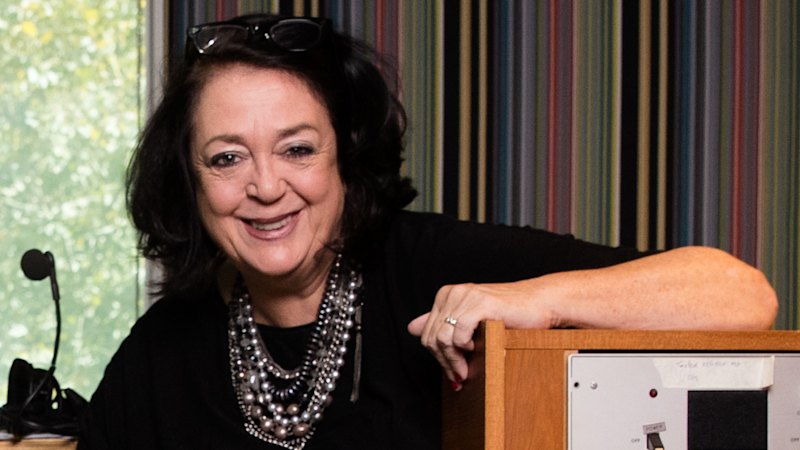
BREAKING: Wendy Harmer, renowned broadcaster and comedian, has sparked a lively debate on cultural identity among First Nations people in Australia by highlighting the distinctions between “freshwater” and “saltwater” identities. Just announced, Harmer’s reflections resonate deeply with those who identify with these classifications, revealing how the choice of environment shapes personal and cultural connections.
In an urgent commentary, Harmer shares her unique upbringing as a “freshwater” individual, stating, “I lived inland all my young life and didn’t visit a beach until I was in my teens.” This statement underscores the significant divide between those who thrive in riverine settings versus those who embrace the ocean. Harmer’s father, a public school teacher and swimming coach, epitomized the freshwater lifestyle, reinforcing her family’s aversion to the beach.
The piece takes a personal turn as Harmer reveals her marriage to a dedicated “waxhead,” who is an avid surfer and active member of the Surfrider Foundation Australia. This juxtaposition of lifestyles emphasizes the tension between freshwater tranquility and saltwater excitement. “I swear, he’s a merman,” Harmer quips, illustrating the stark contrast in her family dynamics.
Currently residing on Sydney’s northern beaches, where breathtaking stretches of sand meet the Pacific Ocean, Harmer confesses her limited ocean encounters. “Last summer I took two dips in the ocean. Yes, just the two,” she admits, much to her husband’s dismay. Her daughter aligns with her husband as a “saltwater” girl, while her son embodies the freshwater spirit.
In a compelling reflection on cultural etiquette, Harmer criticizes the beachgoers’ lack of respect for personal space, contrasting it sharply with the etiquette observed by freshwater enthusiasts. “On a riverbank, you always ensure there’s a big tree or a bend between you and the next mob,” she explains, revealing the deeper values tied to these identities.
This poignant commentary is not just about personal preferences but speaks to broader societal norms and environmental connections. Harmer recounts a humorous yet revealing incident from her pregnancy, where she found herself literally caught in a shore break—bringing a fish into her life in an unexpected way. “This, people, is not the way you’re meant to go fishing,” she quips, highlighting the often chaotic nature of beach life.
With this urgent discourse, Harmer invites readers to reflect on their own identities while navigating the cultural waters of Australia. As the conversation unfolds, her insights are sure to resonate across communities, prompting discussions about the significance of our natural environments and their impact on personal identity.
Stay tuned for more developments as this cultural conversation continues to unfold. Harmer’s exploration is not only an entertaining read but also a vital commentary on how our surroundings shape who we are.