

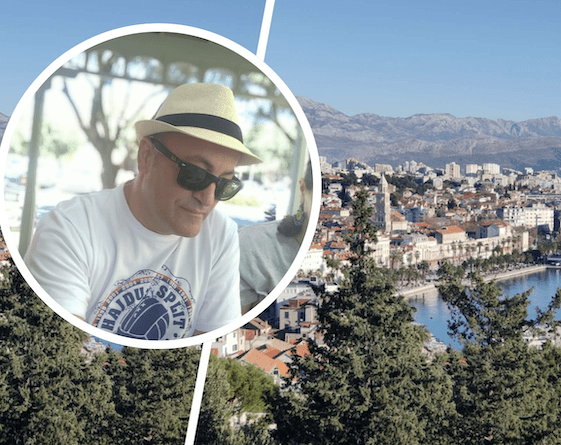
UPDATE: Split, Croatia, is transforming into a winter wonderland, attracting visitors like Boris Cerina from Melbourne, who recently returned to his hometown after years. His visit during the Advent season has revealed a serene side of Split, starkly contrasting the bustling summer crowds.
Cerina’s family trip, spanning from early December to late January, highlights the unique charm of Split in winter. “This time, we wanted to experience the city without the usual tourist influx,” he stated in a recent interview. This shift to winter travel allows families with school and work commitments to enjoy a quieter, richer cultural experience.
Why Winter Matters Now: The winter months showcase Split’s historic beauty without the chaos of tourists. Cerina describes the city as a “winter dream,” with empty streets and closed shops, creating an atmosphere of tranquility. The bustling markets have quieted, and life has shifted to shopping centers, except for the vibrant weekends filled with festive events.
Walking through Diocletian’s Palace and along the Riva offers a rare opportunity to appreciate these iconic sites in peace. Cerina recalls his emotional connection to the Palace, noting, “Without the crowds, the illuminated Peristyle and Riva feel breathtaking.”
Advent Celebrations Shine: The Advent season in Split has become more vibrant than in previous years. Cerina witnessed a series of concerts and events culminating in spectacular New Year’s festivities, featuring renowned artists like Vanna and Željko Bebek. This year’s program is touted as the most exciting in two decades, drawing locals and returning expatriates alike.
The winter weather has been mild, with temperatures ranging from 14 to 18 degrees Celsius, perfect for enjoying coffee and the local custom of fjaka—an unhurried lifestyle that celebrates relaxation. “Fjaka is a ritual that truly embodies Split,” Cerina explains, emphasizing its unique cultural significance.
Traveling beyond Split, Cerina explored nearby Salona, Trogir, and even ventured to Dubrovnik and Zagreb. He notes that winter exploration is far more enjoyable without the summer rush, allowing for photography and a deeper appreciation of the historical sites.
Winter Gastronomy Delights: Cerina savored traditional winter dishes, including salt cod, fritule, and mulled wine. These culinary experiences are integral to understanding Dalmatian culture, enhancing the emotional ties to the region during the holiday season.
For those considering a winter visit to Split, Cerina advises that now is the perfect time. With cheaper flights and accommodations, winter offers an escape from the crowds, allowing for a more intimate connection with the city. “Advent festivities and the serene atmosphere make it a must-see,” he urges.
As Split’s winter charm unfolds, Cerina plans to return to his hometown, likely in the summer months, but he acknowledges the special allure of winter. “Split in winter is simply magical,” he concludes, highlighting the unique blend of history, culture, and the slow-paced lifestyle that defines this Croatian gem.
Stay tuned for more updates from Split as the winter season progresses and the festive celebrations continue to unfold.