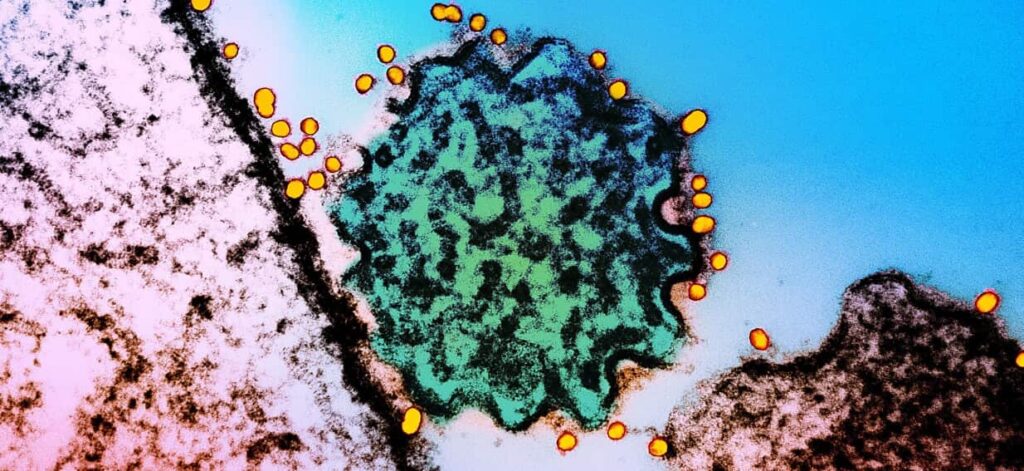
Health authorities around the world are sounding alarms as the Nipah virus, a highly infectious pathogen, resurfaces in parts of Asia. Airports are ramping up safety measures to screen travelers and prevent potential outbreaks. As of now, there are no vaccines or specific treatments available for this virus, which has drawn attention for its severe health implications.
The World Health Organization (WHO) has classified the Nipah virus as a significant public health threat. First identified in 1999 in Malaysia, it has caused outbreaks in various regions, most notably in Bangladesh and India. The virus spreads through direct contact with infected animals, primarily bats, and can be transmitted from person to person.
Recent cases reported in Bangladesh have prompted heightened vigilance in neighboring countries, including Singapore and India. Authorities are implementing health protocols to monitor and manage potential cases.
Understanding the Risks
Nipah virus infections can lead to severe respiratory illness and encephalitis, which is inflammation of the brain. The mortality rate for Nipah can be as high as 75% in some outbreaks, making it a critical concern for public health officials. Symptoms often begin with fever, headaches, and vomiting, progressing to more severe neurological symptoms.
The lack of a vaccine or treatment for Nipah complicates the situation significantly. Health experts stress the importance of symptom recognition and prompt medical attention. Infected individuals require supportive care, which can be intensive and expensive.
Travelers are being advised to avoid areas experiencing outbreaks and to maintain good hygiene practices. Health officials are also urging the public to stay informed about the virus and its symptoms.
Global Response and Preparedness
In response to the recent outbreaks, various governments are enhancing their readiness to tackle potential cases. Screening measures at airports are being intensified, with thermal scanners and health questionnaires being deployed to detect any signs of illness in incoming travelers.
According to the WHO, public health initiatives must focus on community awareness and education to prevent transmission. The organization recommends that individuals avoid contact with bats and ensure proper food handling, particularly fruit, which can be contaminated by bat saliva.
The situation remains fluid, with health agencies closely monitoring developments. Researchers are also investigating the virus to better understand its transmission dynamics and potential treatments. As nations prepare for possible cases, the global health community remains vigilant against the threats posed by this lethal virus.
With no immediate cure in sight, the focus remains on prevention, surveillance, and education to mitigate the impact of the Nipah virus.