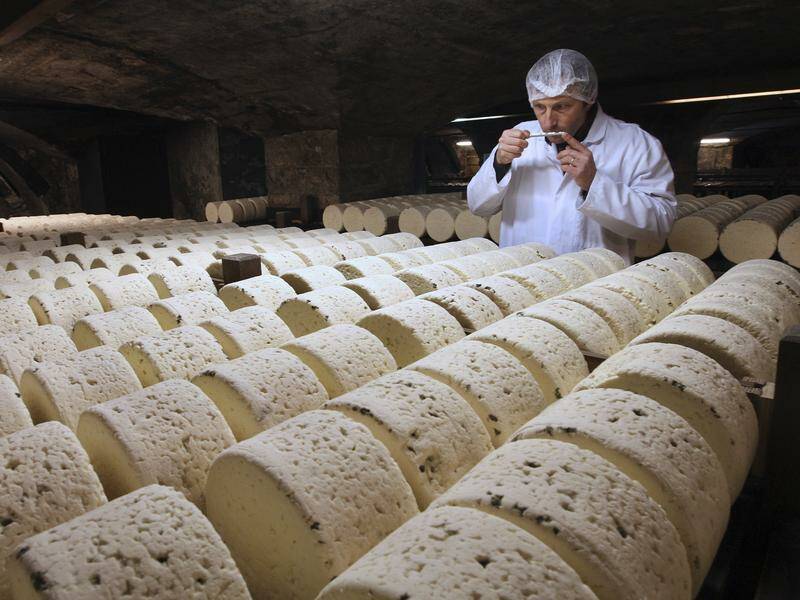
China will impose provisional tariffs of up to 42.7 percent on selected dairy products imported from the European Union. This decision follows the conclusion of the first phase of an anti-subsidy investigation, widely interpreted as a retaliatory measure against the EU’s tariffs on Chinese electric vehicles. The new duties will come into effect on March 5, 2024, and are expected to affect products such as milk and cheese, including the renowned French blue cheese, Roquefort.
The tariffs will range from 21.9 percent to 42.7 percent, with most companies anticipated to pay around 30 percent. This move reflects escalating trade tensions between China and the EU that have intensified since the European Commission initiated an anti-subsidy probe into Chinese-made electric vehicles in 2023.
Response from European Producers and Future Prospects
The European Commission has yet to issue a response to this decision. The provisional nature of the tariffs means they could be altered following a final ruling. In a related context, China has previously reduced tariffs on pork imports after a recent investigation, which included exemptions for major cognac producers like Pernod Ricard and LVMH.
The Ministry of Commerce in China stated that it uncovered evidence suggesting that EU dairy products were subsidized and adversely impacting local producers. In 2024, China imported approximately $589 million worth of dairy products under scrutiny, mirroring import values from 2023.
Around 60 firms, including Arla Foods, will see tariffs ranging from 28.6 percent to 29.7 percent. Italy’s Sterilgarda Alimenti SpA will receive the lowest rate of 21.9 percent, while both FrieslandCampina Belgium N.V. and FrieslandCampina Nederland B.V. will face the highest tariff of 42.7 percent. Companies that did not participate in the investigation will automatically incur the maximum rate.
The decision is likely to be welcomed by Chinese dairy producers who are currently facing a surplus of milk and declining prices. Factors such as lower birth rates and shifting consumer preferences have contributed to a drop in demand. In response to these challenges, the Chinese government urged dairy farmers to reduce production and consider culling older dairy cows.
As trade negotiations over the EU’s electric vehicle tariffs resumed earlier this month, a senior European diplomat in Beijing noted that significant issues still exist between the two entities. The future of these trade relations remains to be seen, especially as both sides navigate tariffs and investigations that have reshaped their economic interactions.