Tensions escalated between China and Japan after a Chinese military aircraft reportedly locked its radar on Japanese fighter jets during the weekend. The incident, which took place near Japan’s Okinawa islands, has raised alarms in both Australia and Japan, as relations between the countries remain strained over issues concerning Taiwan.
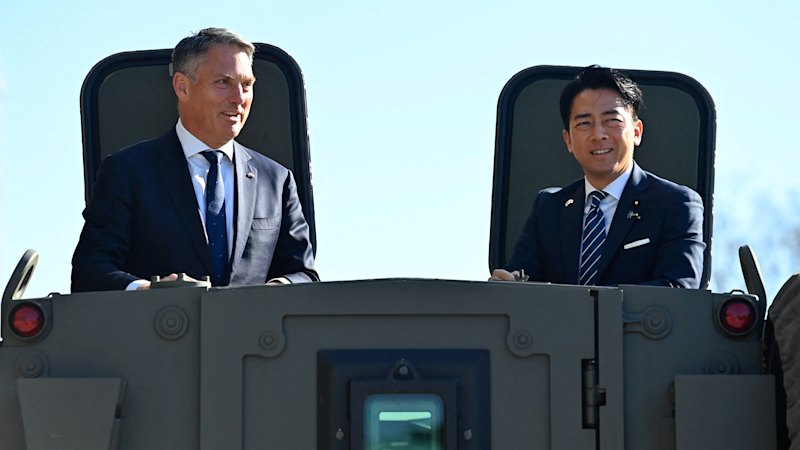
Australian Defence Minister Richard Marles expressed deep concern regarding China’s actions, stating, “We are deeply concerned by the actions of China in the last 24 hours.” Marles made this statement during a joint news conference on October 8, 2023 in Tokyo, following discussions with Japan’s Defence Minister Shinjuro Koizumi. He emphasized the importance of safe and professional interactions, urging China to engage in calm dialogue.
On Saturday, Japan reported that a Chinese aircraft launched from the Liaoning aircraft carrier “intermittently” locked its radar on Japanese jets, which were monitoring the carrier from a distance. This lock lasted for approximately 30 minutes during two separate incidents. Koizumi described the use of fire-control radar as “dangerous and extremely regrettable” and confirmed that Japan had lodged a strong protest with China.
A fire-control radar lock is a significant military action, as it indicates a potential threat or attack, compelling the targeted aircraft to take evasive measures. In response to Japan’s claims, the Chinese navy dismissed the assertions as “completely inconsistent with the facts” and called on Japan to “immediately stop slandering and smearing.”
Marles, who was in Japan to inspect shipyards following a substantial $10 billion deal for Australia to purchase eleven warships, also highlighted ongoing concerns regarding Chinese naval activity. Just a week prior, he revealed that the Australian Defence Force was monitoring a Chinese flotilla moving south in the Philippine Sea.
The latest encounters near the disputed islands represent some of the most serious confrontations between the two nations in recent years. This situation is likely to exacerbate already tense relations, particularly after Japan’s Prime Minister Sanae Takaichi warned that Japan could respond to any Chinese military action against Taiwan if it posed a threat to Japan’s security.
Taiwan, which China claims as its territory, is located just 110 kilometers from Japan’s westernmost island, Yonaguni. The U.S. maintains a significant military presence in Japan, particularly in Okinawa, where thousands of U.S. Marines are stationed.
The U.S. State Department and the U.S. Embassy in Tokyo did not immediately provide comments regarding Japan’s allegations concerning China’s radar use. Japan indicated that the Chinese jets involved in the incidents were deployed from the Liaoning, which was maneuvering south of the Okinawan islands alongside three missile destroyers.
In addition, Reuters reported that on October 5, 2023, China had deployed over 100 naval and coast guard ships across East Asian waters, a move viewed as a threat to the stability of the Indo-Pacific region by Taiwan’s government.
Taiwan’s coast guard is currently monitoring the situation, including drills by three Chinese maritime safety ships in the western portion of the Taiwan Strait. Despite these developments, Taiwan’s coast guard stated that the current situation in surrounding waters remains “normal.”
Chinese state media reported that the drills were search-and-rescue operations in high-traffic areas, although Taiwan’s coast guard accused China of using misleading language to harass Taiwan and engage in psychological warfare.
The ongoing tensions reflect the complexities of regional security dynamics, with both Japan and Australia closely observing China’s military maneuvers in their vicinity. The situation remains fluid, and further developments are likely as diplomatic discussions continue.