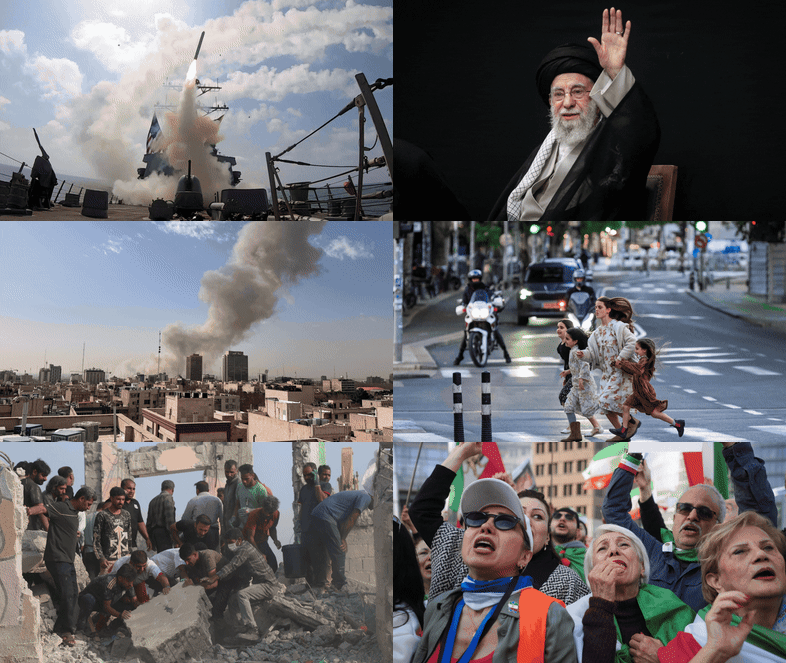



On March 2, 2026, the CIA successfully located a crucial gathering of Iranian leaders, including Ayatollah Ali Khamenei, signaling a significant shift in the geopolitical landscape. The operation, executed shortly before a planned military strike by the United States and Israel, allowed both nations to adjust their strategies to target key figures in the Iranian leadership.
According to sources familiar with the operation, the CIA had been monitoring Khamenei’s movements for several months, building a comprehensive understanding of his routines and locations. The agency learned of a pivotal meeting scheduled for Saturday morning at a leadership compound in Tehran, which would include the supreme leader himself.
Intelligence Gathering and Strategic Timing
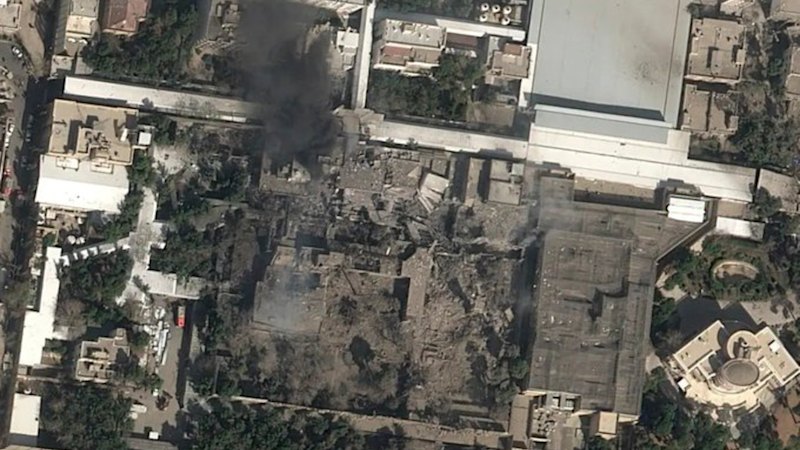
Armed with precise intelligence, the US and Israel recalibrated their attack plans. Officials noted that the new intelligence provided a rare opportunity to eliminate not only Khamenei but also other high-ranking officials within the Iranian government. The meeting was set to take place at the Iranian presidency offices, attended by prominent figures such as Mohammad Pakpour, the commander-in-chief of the Revolutionary Guard, and Ali Shamkhani, head of the Military Council.
At approximately 06:00 in Israel, fighter jets took off, equipped with long-range munitions designed for precision strikes. The attack commenced around 09:40 local time in Tehran, targeting multiple sites where senior Iranian officials were gathered. According to an Israeli defense official, despite Iran’s preparations for potential conflict, the offensive achieved tactical surprise.
The coordinated assault resulted in the deaths of notable leaders, including Shamkhani and Pakpour, confirming Iran’s significant losses in its military command structure. The operation exemplified the extensive intelligence-sharing between the US and Israel, which had intensified following a previous 12-day conflict.
Aftermath and Implications
While the White House and the CIA have refrained from commenting on the specifics of the operation, the implications are profound. The successful strike underscores the effectiveness of intelligence operations in shaping military outcomes. A former US official indicated that the intelligence leading to the strike was derived from enhanced surveillance capabilities developed since last year.
During the 12-day war, the US gained valuable insights into the communication and movements of Khamenei and the Revolutionary Guard under pressure. This knowledge facilitated more effective tracking and forecasting of Khamenei’s whereabouts.
Following the initial strikes, subsequent operations targeted locations where Iranian intelligence officials were believed to be residing. While one high-ranking intelligence officer managed to escape, the wider Iranian intelligence apparatus suffered significant casualties, undermining its effectiveness in the short term.
This operation represents a critical moment in the ongoing tensions between Iran and its adversaries. The swift execution of the strike highlights a robust partnership between the US and Israel, reflecting a strategic alignment against perceived threats from Iranian leadership.
As global reactions unfold, the situation remains fluid, with potential ramifications for regional stability and international diplomatic efforts. The events of March 2 not only mark a tactical victory for the US and Israel but also raise questions about Iran’s future strategies in a rapidly evolving geopolitical environment.