



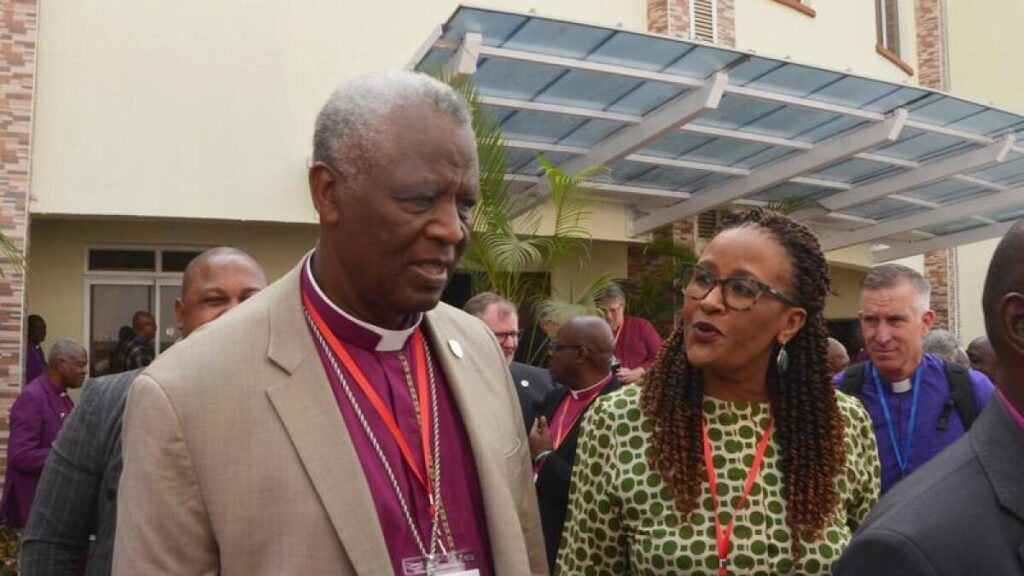
A coalition of conservative Anglicans has established a new council, electing Archbishop Laurent Mbanda of Rwanda as its chairman. This decision was made during the Global Anglican Future Conference (GAFCON), which aims to unite conservative churches primarily in Africa and Asia. The council’s formation comes as a response to what its leaders describe as a failure of existing governance structures within the Anglican Communion to address the needs of the majority of Anglicans globally.
The conference, which took place recently, resulted in a unanimous vote for Mbanda to lead the council. However, he will not hold the title of “primus inter pares,” or first among equals, but will instead share power with other leaders. Bishop Paul Donison, who spoke at the conference, articulated the group’s vision: “Believing the current instruments of communion no longer meet the needs of the majority of Anglicans around the world, the global Anglican Communion is to be led by a conciliar structure.”
GAFCON represents a significant faction within the Anglican Communion, asserting that it reflects the views of the majority of Anglicans worldwide. The group has positioned itself in opposition to liberal trends seen in some parts of the Communion, particularly regarding the ordination of women and the inclusion of LGBTQ+ individuals. The recent appointment of Sarah Mullally as the first female Archbishop of Canterbury by the Church of England has drawn sharp criticism from GAFCON leaders.
The newly formed council is expected to play a critical role in shaping the future direction of conservative Anglicanism. It seeks to establish a governance structure that prioritizes traditional interpretations of faith and practice, setting itself apart from more liberal factions within the Church. The conference emphasized the importance of unity among conservative Anglicans, particularly in addressing what they perceive as challenges to their beliefs and practices.
As GAFCON moves forward with its initiatives, the implications for the broader Anglican Communion remain significant. The council’s establishment highlights the ongoing tensions within the church, as differing interpretations of doctrine and practice continue to create divisions among its members. Through this new structure, conservative Anglicans aim to assert their influence and advocate for their perspectives on key issues facing the church today.