




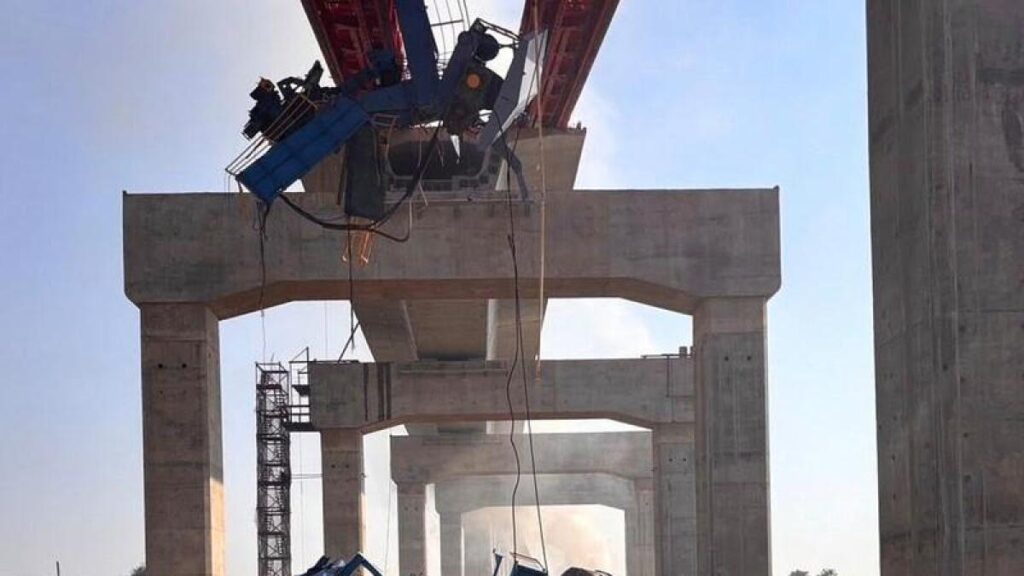
A tragic incident in Nakhon Ratchasima, Thailand, resulted in the deaths of at least 22 people when a crane fell onto a passenger train on March 15, 2024. The accident occurred while the train was en route, prompting immediate emergency responses. It has been reported that a total of 195 passengers were aboard the train at the time of the collapse.
Following the incident, local authorities took swift action to control the situation. The Nakhon Ratchasima Department confirmed via a Facebook post that the fire caused by the crane’s impact was successfully contained. Rescue teams were deployed to search for individuals who may have been trapped inside the train’s wreckage. Eyewitnesses described chaotic scenes as emergency services worked tirelessly to assist those affected.
Piphat Ratchakitprakan, Thailand’s Transport Minister, announced that an investigation into the circumstances surrounding the accident has been ordered. He emphasized the need for a thorough examination to prevent similar tragedies in the future.
The crane’s collapse raises significant concerns regarding safety protocols in construction and transportation sectors. As investigations continue, further details regarding the cause of the accident are anticipated. The incident not only highlights the risks associated with heavy machinery near public transportation but also underscores the importance of rigorous safety measures.
Local officials are expected to provide updates on the situation as rescue operations proceed and more information becomes available. The community in Nakhon Ratchasima mourns the loss of life, while families of the victims await news about their loved ones. The impact of this event will be felt widely, as it draws attention to the critical need for enhanced safety regulations in Thailand’s infrastructure projects.
As authorities delve into the investigation, there will likely be discussions about improving safety standards to protect passengers and workers alike in the future.