

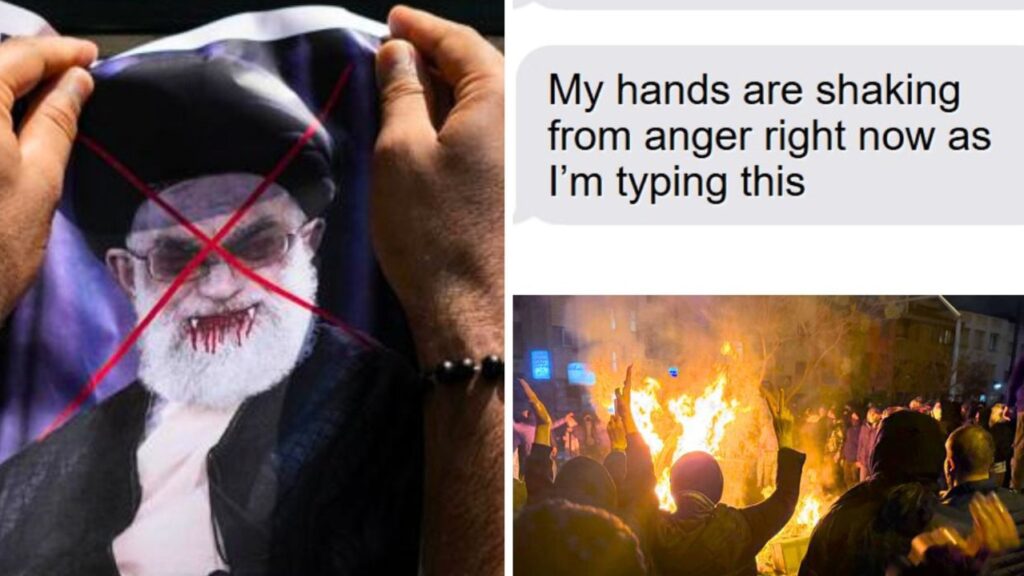
A severe crackdown on protests in Iran has been revealed through distressing text messages sent from within the country. Iranian authorities have imposed a widespread communications blackout, disrupting internet and phone services amid escalating violence. This blackout coincided with a surge in demonstrations, as many citizens took to the streets in defiance of heavy security measures, believing that international attention might bring about change.
One individual, who managed to send a message during the blackout, described the situation as dire. “The internet is not connected. I had a national internet tunnel and that’s working for now… but the internet is completely cut off,” they reported. The sender indicated that the blackout is a tactic to suppress communication while the authorities intensify their response to protests that have been met with increasing brutality.
Many Iranians had hoped that international support, particularly from US President Donald Trump, would help their cause. After weeks of strong statements from the US government expressing solidarity with the Iranian people, there was a palpable sense of optimism among protesters. “This time, people really believed it would be different, and they had pinned their hopes on Trump’s support,” the sender noted.
The messages detail a systematic and violent crackdown, especially in Tehran, where eyewitness accounts describe horrific acts. “In a horrifying way, they carried out a massacre this time,” one message stated. Reports indicate that bodies were transported in trucks to the Kahrizak detention centre, a location previously associated with allegations of torture and extrajudicial killings.
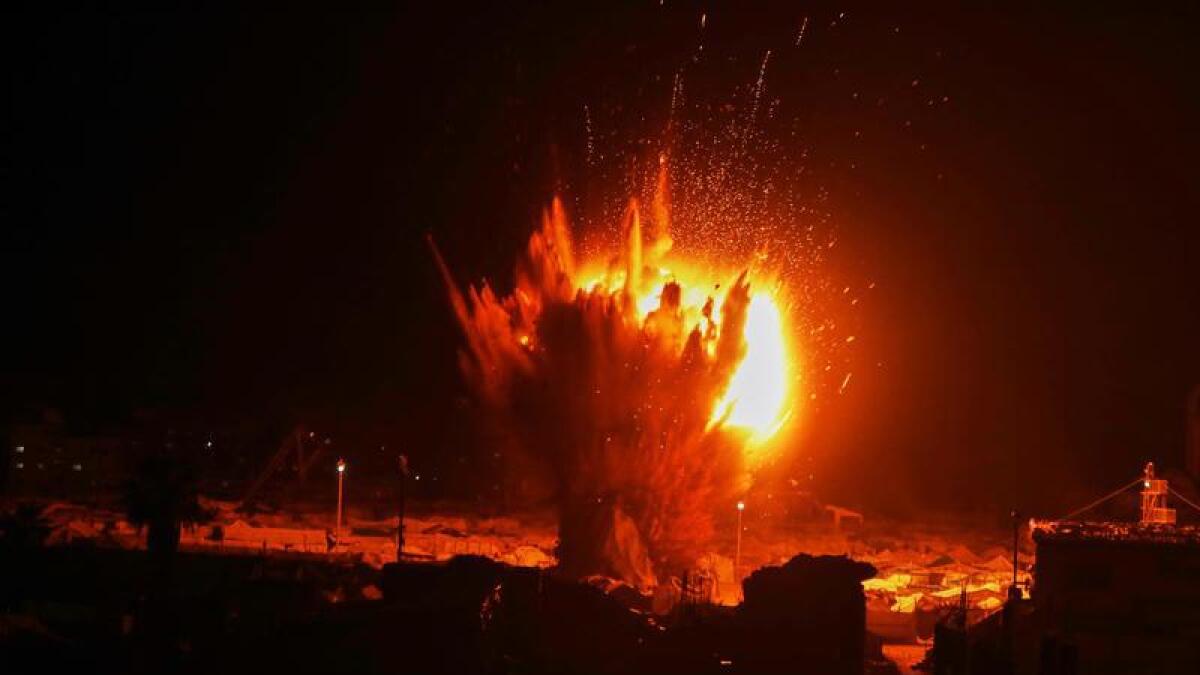
As the violence escalated, protesters in Tehran faced gunfire from security forces. One eyewitness recounted, “On Thursday night around Keshavarz Boulevard… you could hear continuous, non-stop gunfire for half an hour. I knew they had started the massacre.” The alarming situation in Iran has led to significant casualties; according to the US-based Human Rights Activists News Agency (HRANA), at least 4,519 deaths linked to the protests have been verified, with an additional 9,049 deaths under investigation.
The crackdown intensified on January 8, 2026, when protests reached a peak in central Tehran. Eyewitness accounts describe the authorities cutting off electricity and launching attacks on demonstrators. “You’d suddenly see someone lying on the ground, silently dying,” one individual recounted. “In the chaos, they’d move through the crowd, and with a box cutter or a knife, slash the person’s jugular.”
Despite the risks involved, the sender continued to communicate updates, illustrating the determination of individuals to document the events unfolding around them. They expressed a sense of hopelessness among the populace, stating, “Everywhere you go, people are just staring into a corner, stunned, lost in thought.”
The human toll of the protests is significant, with 26,314 people arrested and 5,811 serious injuries documented. HRANA cautions that the real number of casualties is likely much higher due to ongoing internet restrictions, mass burials, and secret detentions.
As the situation continues to develop, the messages from within Iran serve as a poignant reminder of the human cost of political repression and the resilience of those who dare to speak out. The international community remains focused on the unfolding events, with calls for accountability and support for the Iranian people growing louder.