



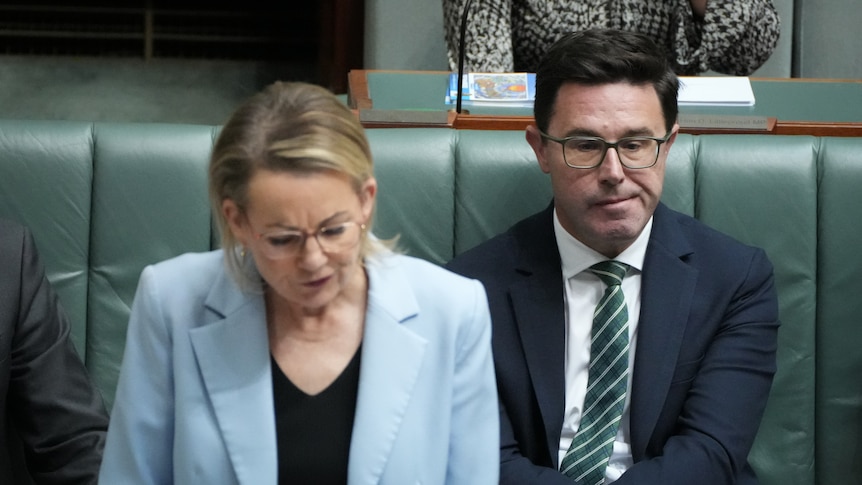
The political landscape in Australia shifted dramatically on March 15, 2024, when eight members of the Nationals in the shadow ministry resigned in solidarity with three senior colleagues who were dismissed for opposing proposed hate laws. This move highlights growing tensions within the party regarding the legislation, which has sparked significant debate across the country.
The three ousted members, who had voiced their concerns about the implications of the new laws on free speech, were met with immediate backlash from their fellow party members. This action by the eight remaining Nationals underscores a deepening rift within the party concerning the direction of policy and the prioritization of individual rights versus legislative changes aimed at curbing hate speech.
David Littleproud, the party’s leader, expressed disappointment over the resignations but emphasized the need for unity in pursuing the party’s objectives. He stated, “While I respect their decision, our focus must remain on the broader goals of the Nationals and ensuring we represent our constituents effectively.” Littleproud’s remarks signal an ongoing internal struggle as the party navigates its identity amid rising public scrutiny.
The legislation in question, which aims to strengthen hate speech laws, has stirred controversy not only within the Nationals but also in the broader Australian political arena. Critics argue that the proposed changes could infringe on freedom of expression, while supporters claim they are necessary to protect marginalized communities. This division is evident as lawmakers and citizens engage in passionate discussions about the balance between protecting individuals and upholding democratic values.
The resignations may have strategic implications for the Nationals as they prepare for upcoming elections. Political analysts suggest that the party could face challenges in maintaining voter support if internal dissent continues to escalate.
In an official statement, the eight resigning members expressed their commitment to the principles they believe the Nationals should uphold. They stated, “We cannot support legislation that we feel undermines fundamental freedoms. Our decision reflects our values and the values of many Australians who deserve to have their voices heard.”
As this situation unfolds, the impact on the Nationals’ future remains uncertain. The party’s leadership must now address not only the immediate fallout from these resignations but also the broader implications of their stance on hate laws. Engaging with constituents and reassessing party policies could prove crucial in retaining support as Australia grapples with complex social issues.
The next steps for the Nationals will be closely monitored as they seek to navigate this political crisis while maintaining their commitment to their core values and the electorate. The situation serves as a reminder of the challenges political parties face in balancing internal cohesion with the demands of modern governance.