Several European airlines have suspended flights to and over Middle Eastern countries due to escalating tensions between the United States and Iran. This decision reflects growing concerns about potential disruptions in the Persian Gulf following recent military developments.
Air France announced the cancellation of flights between Paris and Dubai on March 15 and March 16, stating that the suspension was “due to the current situation in the Middle East.” Similarly, KLM has halted flights to Dubai, Riyadh, and Dammam in Saudi Arabia, as well as Tel Aviv, until further notice. The airline indicated it is avoiding airspace over several Gulf nations, including Iran, Iraq, and Israel, as a precautionary measure.
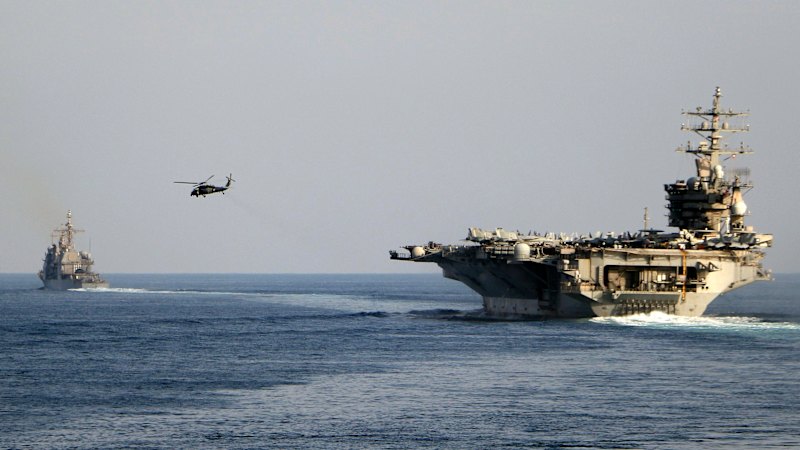
The swift cancellations highlight how geopolitical tensions can have immediate effects on civil aviation. The disruptions came in the wake of comments from President Donald Trump, who stated that the US has deployed naval assets to the Middle East. This has reignited fears that the US may act on threats to retaliate against Iran for its violent crackdown on protests.
In addition to Air France and KLM, other carriers have also cancelled flights. Luxair, British Airways, and Transavia saw flights to Dubai cancelled over the weekend, according to data from Dubai International Airport and flight tracking services like Flightradar24. Lufthansa announced the cancellation of its flights to Tehran until March 28 and confirmed it will continue operations to and from Tel Aviv and Amman, Jordan.
Earlier in March, British Airways temporarily halted flights to Bahrain, the base for the US Navy’s Fifth Fleet. This move reflects a broader trend among both European and American carriers, which had previously paused operations to Gulf countries in June 2023, following missile strikes from Iran targeting a base in Qatar. Those strikes led to the closure of airspace in Qatar and surrounding areas, resulting in significant disruption for airlines operating in the region.
As the situation develops, airlines are closely monitoring the geopolitical landscape to ensure passenger safety and operational continuity. The rapid changes in flight schedules underscore the fragile nature of international air travel amid rising tensions.