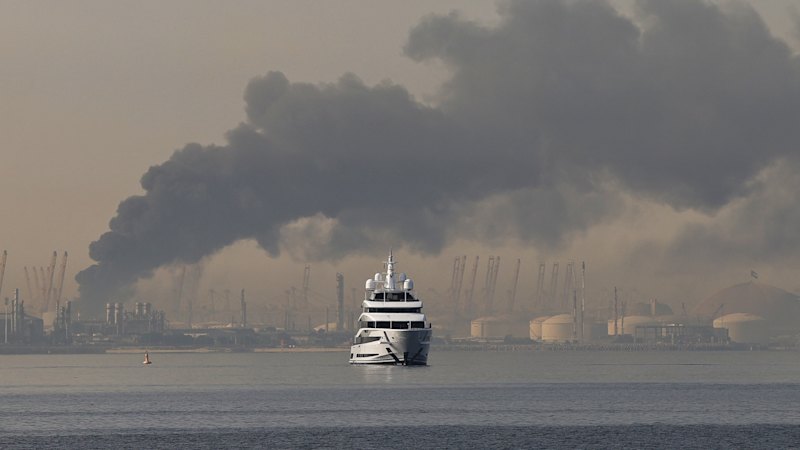
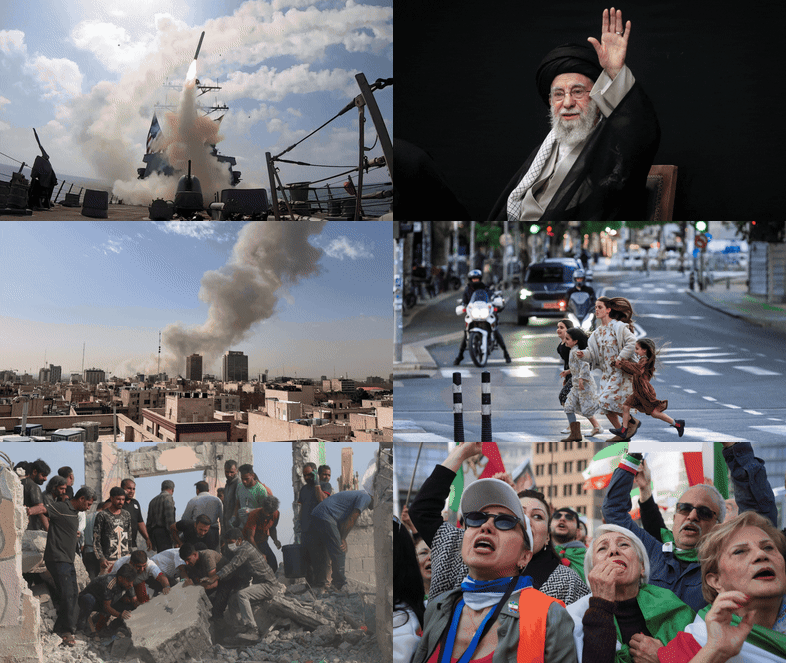
Explosions in Tehran marked a significant escalation in the ongoing conflict between Israel and Iranian forces. On September 29, 2023, Israeli military operations targeted multiple sites in the Iranian capital, resulting in at least nine fatalities and numerous injuries. This latest wave of attacks has intensified tensions in the region, prompting a swift reaction from Iranian officials and widespread protests.
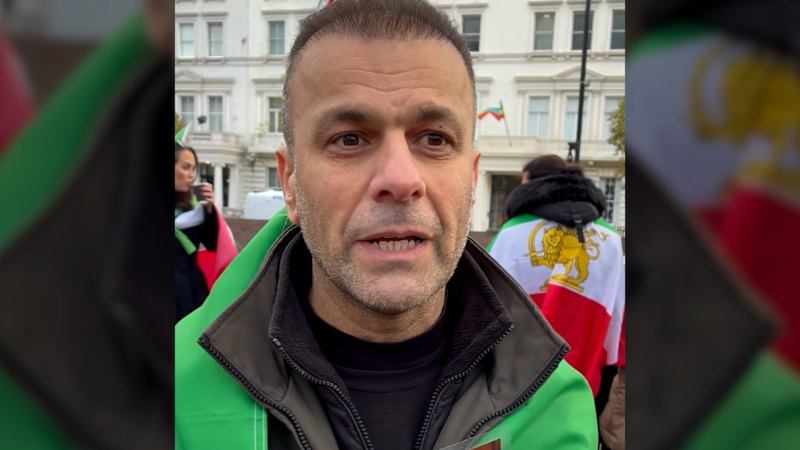
In a separate incident, demonstrators stormed the United States consulate in Karachi, Pakistan, in protest against the perceived aggressions of Israel and its allies. The protests underscore the growing anger among segments of the public regarding foreign intervention in regional conflicts. Eyewitness accounts from Karachi indicate that hundreds participated in the unrest, which led to clashes with local law enforcement.
Iranian Officials Respond to Attacks
In the wake of the airstrikes, prominent Iranian leaders issued stern warnings, stating that “the price must be paid” for Israel’s actions. The Iranian regime emphasized its commitment to retaliate against any aggressor. This rhetoric highlights the potential for further escalation, raising concerns among international observers regarding regional stability.
Iran’s military capabilities have been a focal point in the ongoing conflict, with the government pledging to enhance its defense systems in response to external threats. The ongoing military exchanges are not only a matter of national pride but also reflect the strategic interests of various regional players.
OPEC+ Faces Pressure Amid Rising Tensions
As the situation unfolds, the Organization of the Petroleum Exporting Countries Plus (OPEC+) is reportedly considering increasing oil production to stabilize markets affected by geopolitical tensions. The conflict in Iran could have implications for global oil prices, which have already seen fluctuations in response to the heightened military activity. Industry analysts suggest that any disruptions in Iranian oil exports could further impact supply chains.
With the potential for conflict to disrupt oil supplies, OPEC+ members are keen to mitigate any adverse effects on the global economy. The organization is assessing the balance between maintaining production levels and ensuring market stability in light of international developments.
The unfolding events in Tehran and Karachi are being closely monitored by governments and organizations worldwide. The situation remains fluid, with the possibility of further developments as both military and diplomatic efforts continue to evolve. As tensions rise, the international community is urged to engage in dialogue to prevent escalation and promote stability in the region.