




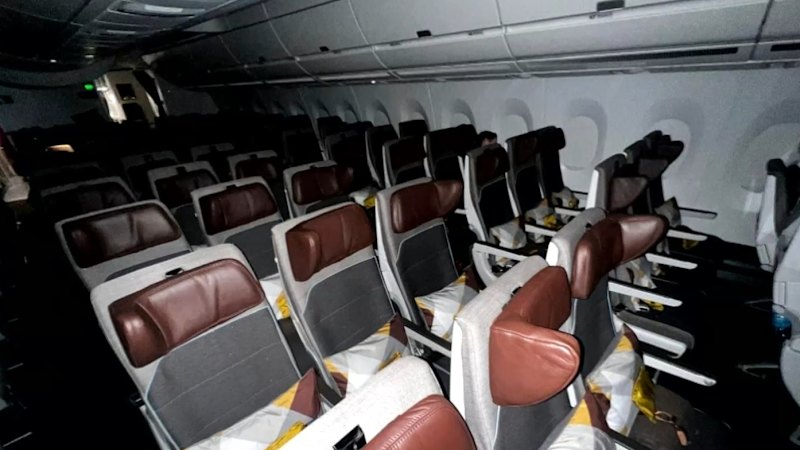
Two recent repatriation flights from the Middle East have landed in Sydney, Australia, but both arrived with significant numbers of empty seats. On March 6, 2026, the Australian government confirmed that these flights carried fewer passengers than anticipated, raising concerns about ongoing travel logistics.
The first flight, which originated in Dubai, transported only a fraction of its capacity. It is estimated that approximately 300 seats went unoccupied, underscoring the challenges faced by airlines in managing passenger demand in the current climate. This pattern continued with a second flight arriving from Doha, which similarly registered hundreds of empty seats.
Repatriation flights have been critical for Australians stranded abroad due to travel restrictions and the global pandemic. However, the persistent issue of underutilized flights raises questions about the effectiveness of current repatriation strategies. The Australian government has been working to facilitate these flights while navigating the complexities of international travel regulations.
The empty seats reflect broader trends in the aviation industry, where fluctuating demand and ongoing health concerns have created uncertainty. As airlines attempt to adjust schedules and route plans, they face the challenge of ensuring that flights remain economically viable.
Officials have noted that while repatriation efforts are essential, they must also consider factors such as passenger confidence and safety protocols. The government continues to encourage citizens to take advantage of these flights, emphasizing the importance of returning home.
As the situation develops, authorities will need to assess the effectiveness of their strategies to ensure that future flights are fully booked. The aim remains clear: to facilitate the safe return of Australians while maintaining a sustainable aviation sector. The empty seats on these flights highlight the ongoing challenges that need to be addressed in the face of changing travel dynamics.