A former flight attendant has been charged with fraud for allegedly deceiving several U.S. airlines into providing him with hundreds of free flights over a period of four years. Federal authorities claim that Dallas Pokornik, aged 33 and originally from Toronto, posed as a pilot and airline employee to exploit ticketing systems across multiple carriers.
Pokornik was arrested in Panama after being indicted on wire fraud charges in federal court in Hawaii in October 2022. Following his extradition to the United States, he pleaded not guilty to the charges on Tuesday. His federal public defender has not commented on the case.
According to court documents, Pokornik worked as a flight attendant for a Toronto-based airline between 2017 and 2019. After leaving that position, he allegedly used fraudulent employee identification from that airline to gain access to tickets meant for pilots and flight attendants on three other airlines. The indictment does not specify which airlines were affected, but it notes that they are based in Honolulu, Chicago, and Fort Worth, Texas.
The apparent ease with which Pokornik obtained these tickets has raised eyebrows among industry experts. A representative from Hawaiian Airlines stated that the company would not comment on ongoing litigation, while representatives from United Airlines and American Airlines did not respond to inquiries. Porter Airlines, another Canadian carrier, indicated it could not verify any details regarding this case, and Air Canada confirmed that there is no record of Pokornik working for them.
Retired pilot John Cox, who now runs an aviation safety firm in Florida, expressed surprise at the allegations. He noted that airlines generally have systems in place to verify the employment of crew members requesting travel on other airlines. “The only thing I can think is that they did not show him as no longer employed by the airline,” he said. “Consequently, when the checks were made at the gate, he showed up as a valid employee.”
Typically, airlines allow employees to take advantage of free or discounted standby seats to facilitate necessary travel. This practice helps crew members reach their destinations for work. Employees can also use these benefits for their immediate family members when traveling for leisure purposes. However, federal regulations prohibit the use of cockpit jump seats for leisure travel, which are typically reserved for off-duty pilots.
When traveling for work, crew members must go through airport security using a “known crew member” card linked to a database that includes their photo. They are also required to present an employee badge and government-issued identification. Utilizing this process for leisure travel is not permitted, and crew members must obtain discounted standby tickets or request a jump seat.
In a recent incident, an off-duty airline pilot attempted to sabotage a flight, raising concerns about security in the aviation industry. This incident highlights the critical nature of verifying crew member identities. Although it is unclear whether Pokornik ever sat in a cockpit jump seat, the allegations suggest he may have requested this privilege, which is usually reserved for licensed pilots.
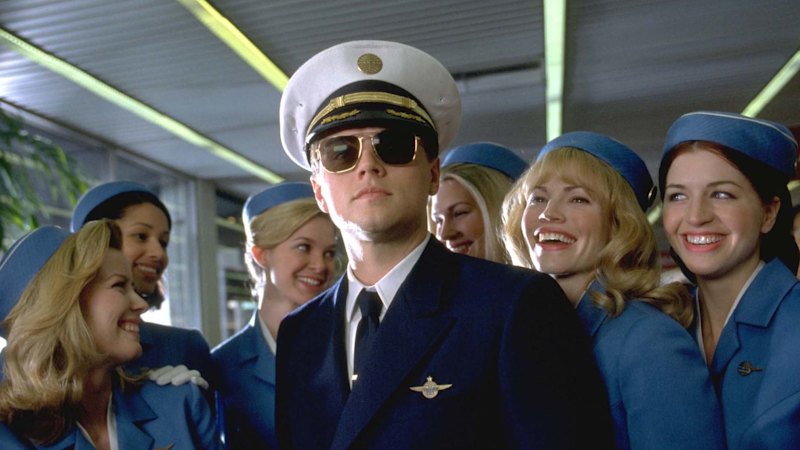
The airline industry has tightened its travel benefits policies since the infamous case of Frank Abagnale, who gained notoriety for flying under false pretenses in the 1980s. His story was popularized in the memoir and subsequent film, “Catch Me If You Can,” starring Leonardo DiCaprio. In the aftermath of the September 2001 terrorist attacks, additional measures were implemented to enhance security and restrict access to cockpits.
As this case unfolds, it raises important questions about the systems in place for verifying airline employee credentials and the potential vulnerabilities within them. The repercussions of this alleged fraud could lead to stricter regulations and oversight in the airline industry.