



G7 energy ministers have opted not to release strategic oil reserves at this time, instead requesting that the International Energy Agency (IEA) assess the current situation. The IEA announced that it would convene an extraordinary meeting of its member states on Tuesday to evaluate supply security and market conditions. This assessment will guide a decision on whether to make emergency oil stocks available to the market.
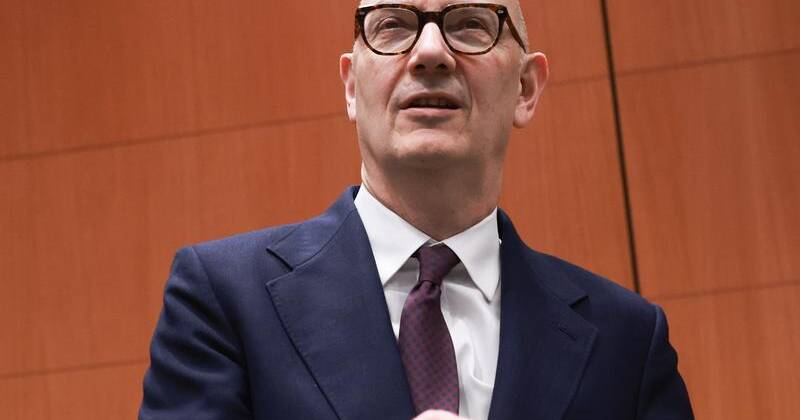
The IEA’s executive director, Fatih Birol, stated that the organization aims to formulate scenarios for a potential oil stock release, emphasizing the need for readiness to act swiftly. French Finance Minister Roland Lescure reiterated the urgency, indicating that the G7 nations must remain prepared to respond to fluctuating energy prices driven by geopolitical instability, particularly the ongoing conflict in Iran.
Market Reactions and European Concerns
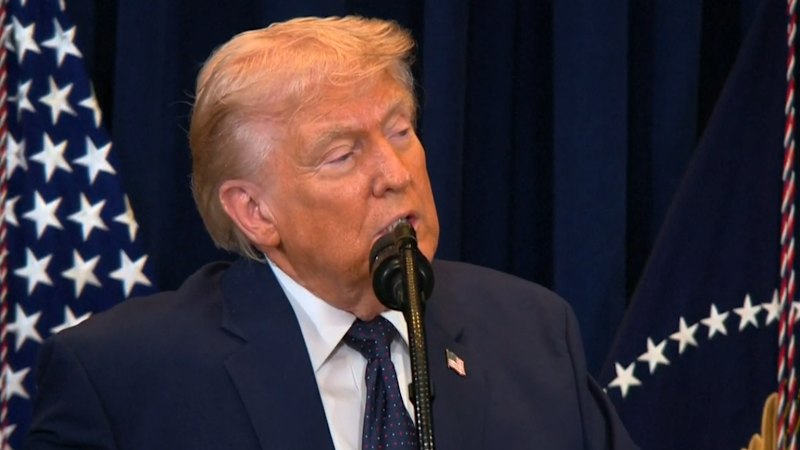
On Monday, benchmark oil prices surged to nearly four-year highs but saw an 11 percent decline on Tuesday after U.S. President Donald Trump suggested that the Middle East conflict could soon come to an end. This volatility reflects broader concerns among European leaders, who are scheduled to discuss energy prices and competitiveness later on the same day. Participants in the call include German Chancellor Friedrich Merz, Italian Prime Minister Giorgia Meloni, and Belgian Prime Minister Bart De Wever.
The G7 comprises the United States, Canada, Japan, Italy, the United Kingdom, Germany, and France. European governments are particularly wary of a repeat of the energy crisis experienced in 2022, following Russia’s invasion of Ukraine, which resulted in soaring prices and forced some industries to suspend operations.
Shifting Energy Dynamics in Europe
Even prior to the Iran situation, energy prices in Europe were generally higher than those in the United States and China. EU policymakers faced increasing pressure from industry representatives to implement emergency measures. European Commission chief Ursula von der Leyen remarked on the structural disadvantages stemming from reliance on costly and volatile fossil fuel imports, highlighting the vulnerabilities exposed by the current Middle East crisis. She noted that the reduction of nuclear energy capacity across Europe has proven to be a strategic error.
In response to these challenges, the European Commission announced a significant investment initiative. On Tuesday, it revealed that the European Investment Bank would allocate 75 billion euros (approximately $A123 billion) over the next three years to enhance energy infrastructure. This funding aims to alleviate power grid bottlenecks and mitigate price volatility.
EU Energy Commissioner Dan Jorgensen expressed confidence in Europe’s preparedness for the current crisis, citing a more diversified energy supply compared to February 2022. Before Russia slashed gas deliveries, the EU relied on Russia for approximately 40 percent of its gas. Today, the primary suppliers are Norway and the United States, reflecting a significant shift in the region’s energy landscape.
As energy ministers and European leaders navigate these turbulent waters, the focus remains on ensuring stability and security in the energy market while addressing the immediate challenges posed by geopolitical conflicts.