



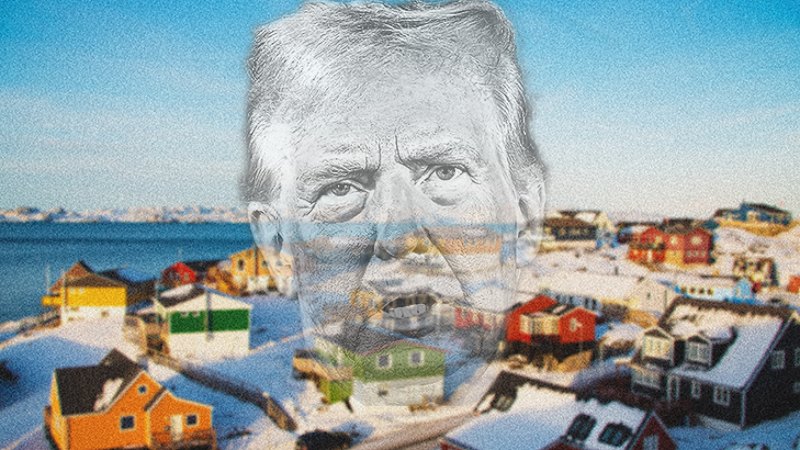
The discussion surrounding Greenland’s potential independence from both the United States and Denmark is gaining significant traction. This debate has intensified following remarks made by former President Donald Trump, who previously expressed interest in acquiring the territory. Pele Broberg, Greenland’s Minister of Foreign Affairs, argues that the time may have come for Greenland to assert greater autonomy, especially amid evolving geopolitical interests in the Arctic region.
Greenland, an autonomous territory of Denmark, covers approximately 2.166 million square kilometers and holds vast natural resources. The Arctic’s strategic importance continues to rise due to climate change, which is opening new shipping routes and exposing untapped resources. The interplay between local desires for independence and international interests adds complexity to the situation.
Growing Sentiment for Independence
Broberg has emphasized that Greenlanders are increasingly vocal about their aspirations for independence. The sentiment is driven by a desire for self-determination and control over their resources. In a recent interview, Broberg stated, “We need to define our future without external pressures dictating our choices.” His remarks reflect a broader trend among Greenlanders who seek to navigate their own path, particularly in light of foreign involvement.
The former U.S. administration’s interest in Greenland was met with mixed reactions. While some viewed Trump’s proposal as a strategic move to bolster American influence in the Arctic, others perceived it as a threat to Greenland’s sovereignty. As discussions about the Arctic’s future unfold, the question of who should control these territories becomes increasingly relevant.
Geopolitical Implications
The Arctic is not just a local issue; it has global implications. Countries such as Russia, Canada, and the United States are all vying for influence in the region, which is expected to be significantly impacted by climate change. The melting ice caps are opening pathways for shipping and access to valuable resources like oil and minerals. Greenland’s position as a gateway to the Arctic makes its political future critical.
As Greenland weighs its options, the Danish government has expressed its commitment to supporting the territory’s self-governance while maintaining its strategic interests. This delicate balance poses challenges as Greenlanders push for more autonomy. The outcome of this debate could redefine relationships not only within Denmark but also with major powers eyeing the Arctic.
The conversation around Greenland’s independence is not merely about politics; it is also a cultural and social movement. Many Greenlanders are keen to establish a national identity distinct from both Denmark and the United States. The push for independence reflects deep-rooted aspirations to preserve their culture and heritage while ensuring sustainable development in the face of external pressures.
The future of Greenland is uncertain, but the momentum towards independence appears to be gaining strength. As global powers continue to assert their interests in the Arctic, the voices of Greenlanders will play an increasingly pivotal role in shaping their destiny. The world will be watching closely as this debate unfolds, with significant implications for international relations in the Arctic region.