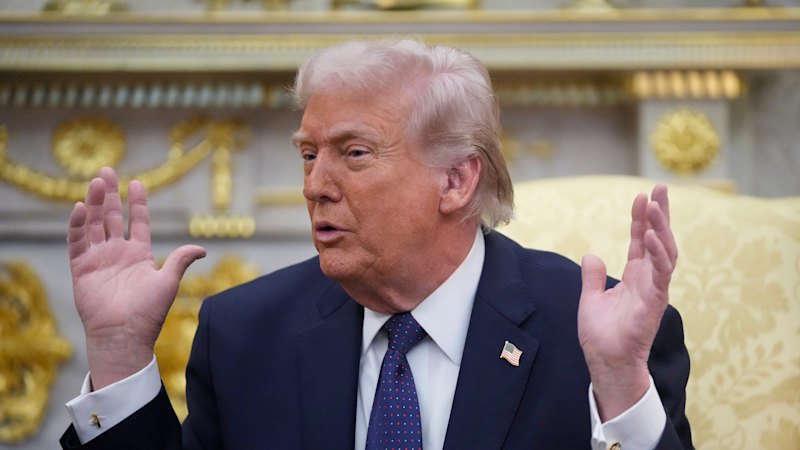



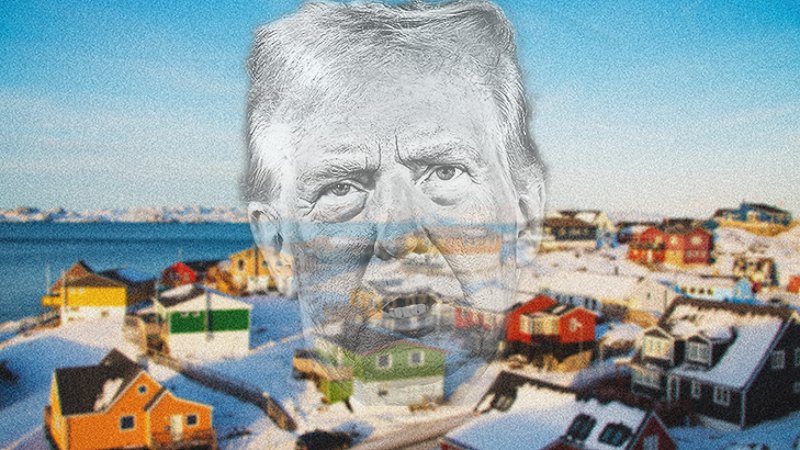
The discussion surrounding Greenland’s future has intensified, as local leaders advocate for greater independence from both the United States and Denmark. The conversation gained traction following comments made by former President Donald Trump, particularly during his administration when he expressed interest in purchasing the territory from Denmark. This renewed focus on Greenland’s political status is sparking debates about self-determination and control over Arctic resources.
Greenland’s Minister of Finance, Pele Broberg, has emerged as a prominent voice in these discussions. He argues that the territory’s aspirations for autonomy are not merely political rhetoric but reflect a genuine desire for self-governance. Broberg emphasizes that the Arctic region holds significant strategic and economic importance, which requires a governance structure that prioritizes the interests of Greenlanders.
Historical Context of Greenland’s Governance
Greenland has been a part of the Kingdom of Denmark since the 18th century. However, it has enjoyed a degree of self-rule since the Home Rule Act of 1979, which granted control over local affairs. In 2009, further autonomy was established through the Self-Government Act, allowing Greenland to manage its own resources and local governance while Denmark retained control over foreign affairs and defense.
Despite these advancements, many Greenlanders feel that true independence is still a distant goal. Broberg’s position reflects a growing sentiment among the population that they should have greater control over their land and resources, especially as global interest in the Arctic region rises due to climate change and shifting geopolitical dynamics.
The Impact of Global Politics on Greenland’s Future
The geopolitical implications of Greenland’s status are significant. As countries vie for access to Arctic resources, including oil and minerals, the control of this territory becomes increasingly contentious. The United States, under the previous administration, viewed Greenland’s strategic position as crucial for military and economic interests. Trump’s proposal to buy the territory was met with widespread criticism and ultimately rejected by Denmark.
Broberg asserts that Greenland’s future should be decided by its people, not foreign governments. He highlights the need for international recognition of Greenland as a sovereign entity. This perspective resonates with many who seek to establish a distinct national identity separate from Denmark and external influences.
The pursuit of independence is not only about political autonomy but also about economic viability. Greenland’s economy, heavily reliant on fishing and subsidies from Denmark, faces challenges as global markets evolve. Leaders like Broberg are advocating for sustainable development that aligns with the aspirations of Greenlanders, aiming to create a robust economy that can thrive independently.
As conversations about independence progress, the involvement of Denmark and the United States will likely remain a focal point. Broberg’s calls for self-determination highlight a broader movement within Greenland that seeks to redefine its place on the global stage. The outcome of these discussions could have lasting implications for both local governance and international relations in the Arctic.
The situation is fluid, and the ultimate decision regarding Greenland’s independence will depend on a combination of local desires and international dynamics. As March 2024 approaches, the world watches closely to see how this unique territory navigates its quest for autonomy. The debates surrounding Greenland are not just about land; they encompass issues of identity, resource management, and the future of the Arctic itself.