


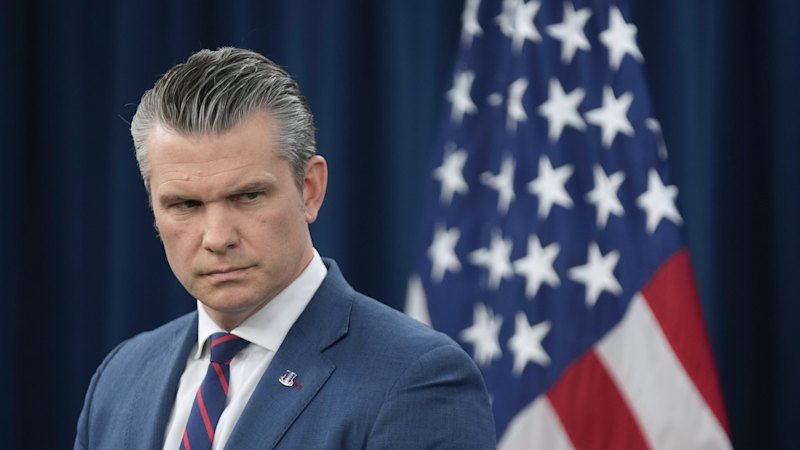
On March 3, 2026, US Secretary of War Pete Hegseth assured citizens that the military campaign against Iran would not devolve into another “endless war.” Hegseth emphasized that the primary objective is to dismantle Iran’s weaponry rather than pursue regime change or nation-building initiatives. His remarks came during a press conference where he addressed concerns regarding the involvement of US allies and the nature of military operations in the region.
Criticism of Allied Hesitation
Hegseth’s comments included pointed criticism of what he referred to as the “traditional allies” of the United States. He accused these nations, particularly the United Kingdom, of hesitance regarding military action. This criticism arose as the UK delayed permission for the US to utilize its bases for strikes against Iran. In stark contrast, he lauded Israel as a “capable partner” with a clear mission, highlighting the difference in commitment levels among allies.
The European Union responded to the escalating situation by urging “maximum restraint” and adherence to international law. Similar sentiments were echoed by officials in Australia and Canada, who expressed support for US efforts to prevent Iran from acquiring nuclear weapons and threatening regional peace.
During the press conference, President Donald Trump expressed his disappointment towards British Prime Minister Keir Starmer for the delay in authorizing military support from the UK. Hegseth and General Dan Caine, the chairman of the Joint Chiefs of Staff, provided insights into the ongoing military operations, which began late Friday night.
Military Objectives and Strategy
Hegseth outlined the objectives of the US campaign, which include destroying Iran’s missile stockpiles, dismantling its navy, and thwarting the development of nuclear capabilities. He refrained from providing a specific timeline for the operation, dismissing inquiries about an expected four to five-week campaign as “gotcha questions.” He emphasized that the military actions would not lead to an open-ended conflict, stating, “This is not Iraq, this is not endless.”
“Our generation knows better, and so does this president,” Hegseth asserted. He characterized the operation as a “clear, devastating, decisive mission,” focused on surgically eliminating threats to US interests and regional stability. He reiterated the commitment to conducting operations on US terms, without the constraints of previous conflicts aimed at nation-building or democracy promotion.
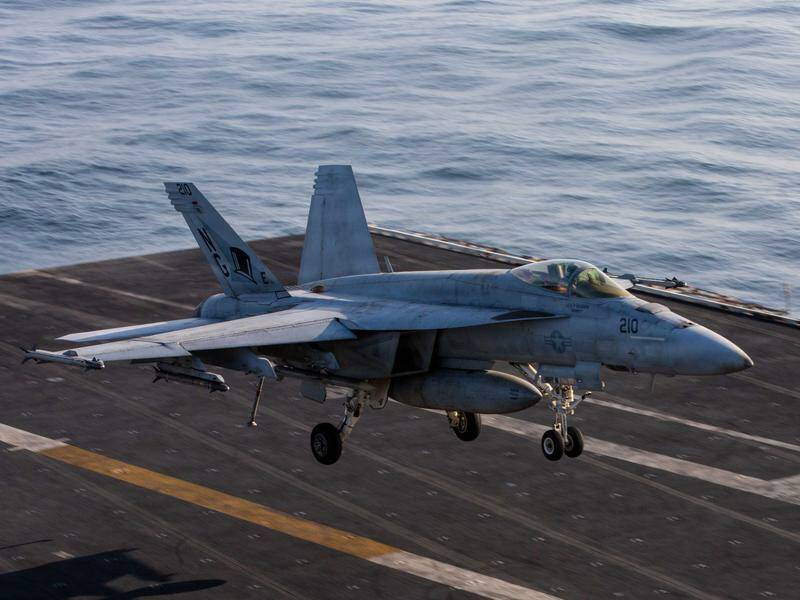
General Caine indicated that additional manpower, specifically “tactical aviation,” would be deployed to the region. While he did not elaborate on the specifics, he indicated that US combat capabilities were at a desired level for the ongoing operations.
Tragically, US Central Command confirmed the death of a fourth American service member on March 3, following injuries sustained during Iran’s initial counter-attack. This loss underscores the human cost of the escalating conflict.
Trump, during remarks at a military honors ceremony, suggested that the military campaign would intensify, stating, “We haven’t even started hitting them hard.” He reinforced his commitment to the operation, indicating that the US is prepared for a sustained effort if necessary. “I don’t get bored,” he remarked, emphasizing his determination to see the mission through.
As the situation evolves, the international community watches closely, with mixed reactions to the US’s aggressive military strategy. The resolve of US leadership, particularly Hegseth and Trump, signals a significant shift in the approach to military engagement in the region, focusing on rapid, decisive action rather than prolonged conflict.