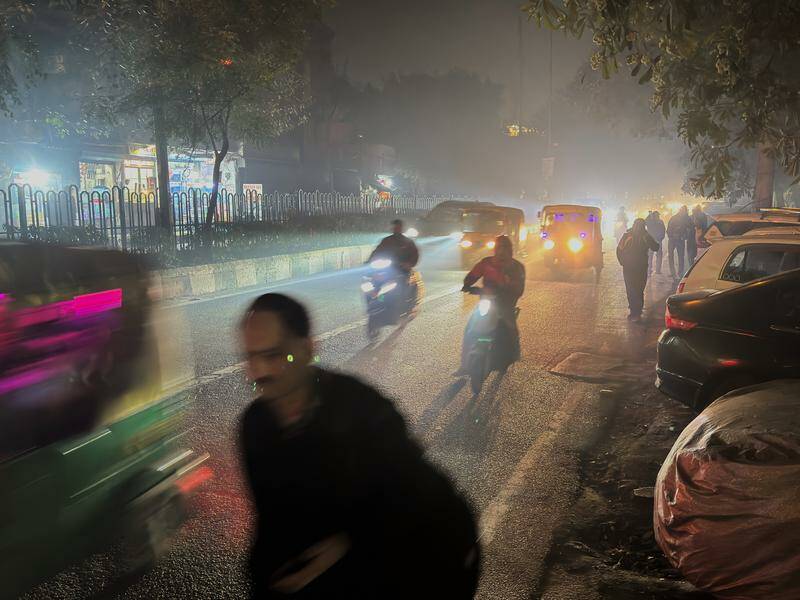
India has implemented stringent anti-pollution measures in Delhi and surrounding areas in response to a significant decline in air quality. On November 4, 2023, the Commission for Air Quality Management invoked stage four of the Graded Response Action Plan, marking the highest level of alert for the region.
On Sunday, the air quality in Delhi was classified as “severe,” with official readings exceeding 450 on the Air Quality Index at multiple monitoring stations. This figure represents an increase from 430 the previous day and is the worst recorded so far this winter season, according to data from the Central Pollution Control Board. For context, values below 50 are considered “good.”
The new restrictions include banning older diesel trucks from entering the city, halting construction activities—including public projects—and implementing hybrid schooling. These measures aim to mitigate the severe pollution that typically blankets the area during the winter months. Delhi, home to approximately 30 million people, often experiences smog as cold, dense air traps emissions from vehicles, construction sites, and agricultural burning in neighbouring states.
Officials have urged residents to remain indoors, particularly vulnerable populations such as children and individuals with respiratory or cardiac conditions. They also advised the use of masks for those who must venture outside.
The deterioration of air quality has been attributed to high moisture levels and changes in wind direction, conditions that inhibit the dispersion of pollutants and contribute to smog formation, as noted by the Commission for Air Quality Management.
As authorities navigate this pressing issue, they continue to emphasize the importance of immediate action to protect public health and reduce pollution levels in one of the world’s most densely populated urban areas.