


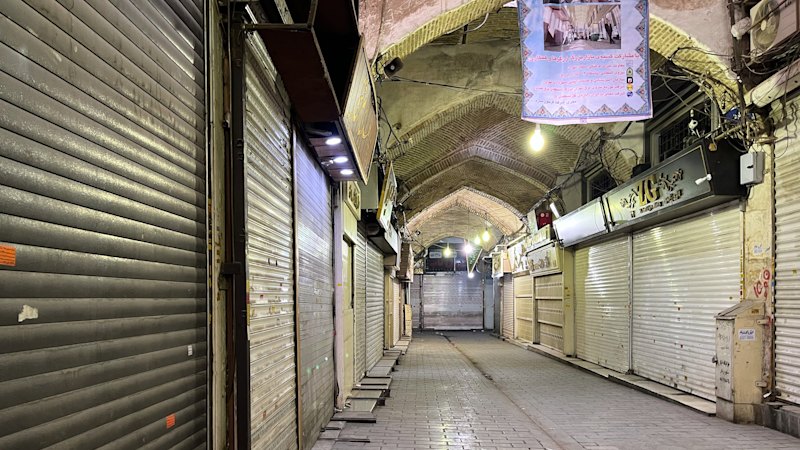
The Iranian government has implemented a nationwide internet blackout in response to escalating protests that erupted following the death of a young woman while in police custody. The protests, which began on September 16, 2022, have intensified and spread across various cities, including Tehran, as citizens express their anger over issues ranging from women’s rights to state repression.
This latest internet disruption is part of a broader strategy employed by the Iranian authorities to control the flow of information and suppress dissent. The Telecommunications Ministry has confirmed that the service is being restricted to prevent citizens from organizing and sharing information about the protests.
Human rights organizations, including Human Rights Watch, have condemned these actions, describing them as a “tool of repression.” The blackout not only hampers communication among protesters but also restricts access to news and information, further isolating the Iranian public from global developments.
Government’s History of Internet Restrictions
The Iranian government has a history of enforcing internet blackouts during critical moments. This tactic has been employed in previous instances of civil unrest, including protests in November 2019, which followed a sudden increase in fuel prices. During that period, the internet was completely shut down for more than a week, significantly hindering activists’ ability to mobilize and report on the situation.
The current blackout has been met with widespread criticism from international communities and various human rights groups. According to the International Federation of Journalists, these measures undermine freedom of expression and access to information, fundamental rights that should be upheld.
The Iranian authorities have justified their actions by claiming they are necessary for maintaining public order. However, many citizens view these restrictions as an attempt to stifle dissent and silence opposition voices. Reports indicate that protesters have been using VPNs and other circumvention tools to bypass restrictions, demonstrating their determination to continue voicing their grievances despite the risks involved.
Global Reactions and Concerns
The international community has reacted with concern over Iran’s approach to the protests and the resulting internet restrictions. Governments and human rights organizations are urging the Iranian leadership to restore internet access and allow for peaceful demonstrations.
Statements from various international bodies emphasize the need for dialogue and respect for human rights in Iran, particularly regarding women’s rights and individual freedoms. The protests have highlighted widespread discontent with the government and have sparked discussions around the future of political reforms in the country.
As the situation develops, the Iranian government faces mounting pressure both domestically and internationally to address the underlying issues driving the protests. The future of the protests remains uncertain, but the impact of the internet blackout is clear: it serves as a powerful reminder of the lengths to which the government will go to maintain control in a rapidly changing political landscape.