


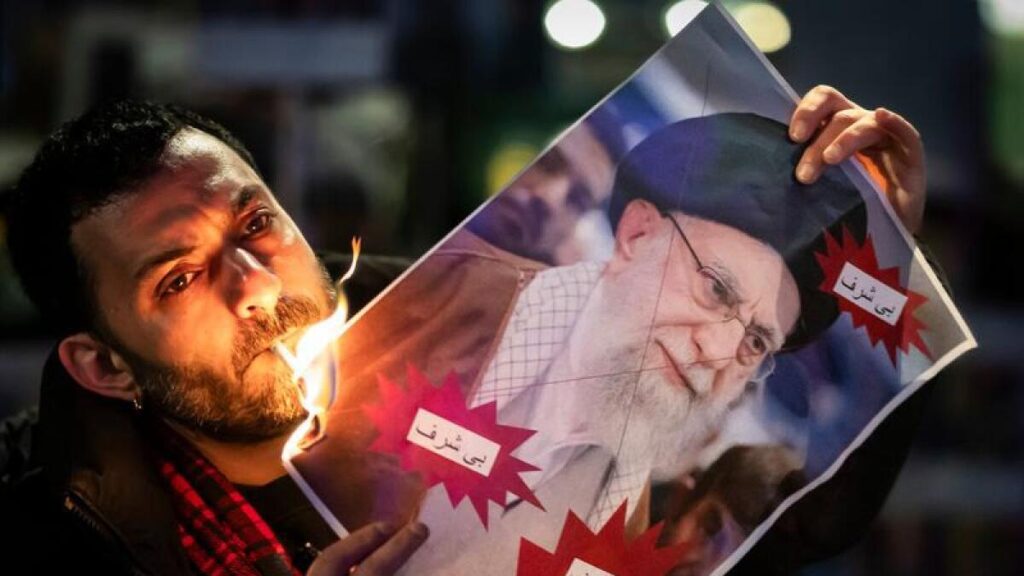
Iran has issued a stark warning that it will strike US military bases in the Middle East if the United States conducts any military actions against the Islamic Republic. This declaration comes amid escalating tensions following a series of protests in Iran, which have reportedly resulted in significant casualties.
According to an anonymous Iranian official, Tehran has reached out to its regional allies, urging them to prevent any US attacks. The official stated that if the US targets Iran, bases located in countries such as Saudi Arabia, the United Arab Emirates (UAE), and Turkey could become targets for Iranian retaliation. This development underscores the fragile security dynamics in the region, particularly as diplomatic channels appear to be closing.
There has been a notable suspension of direct communications between Iran’s Foreign Minister Abbas Araqchi and US Special Envoy Steve Witkoff, reflecting the increasing strain in relations. An Israeli government source indicated that Prime Minister Benjamin Netanyahu had been briefed on the potential for US intervention in Iran, a nation that Israel considers a significant adversary.
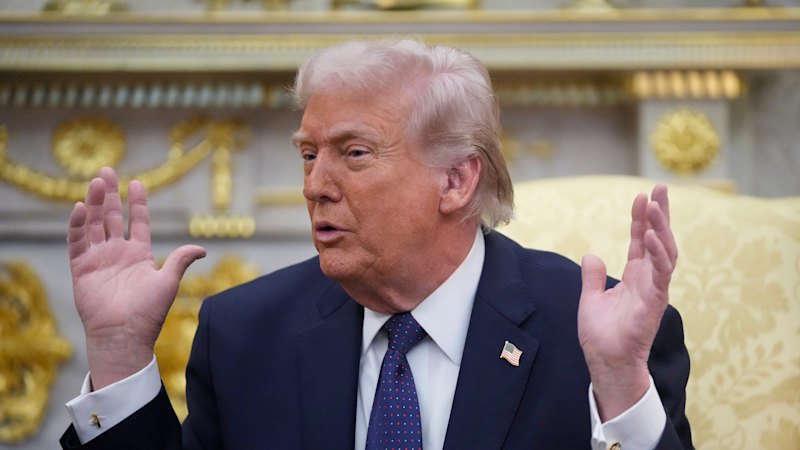
In a related interview with CBS News, former US President Donald Trump emphasized that the United States would take “very strong action” if Iran were to execute protesters. He encouraged the Iranian people to continue their protests, claiming that “help is on the way,” though he did not provide specifics on what this assistance would entail.
The US maintains a significant military presence in the region, including at the Al Udeid Air Base in Qatar, which serves as the forward headquarters for US Central Command. In 2025, Iran launched missiles at this base in response to US airstrikes targeting its nuclear facilities.
Iranian state media reported that Ali Larijani, the head of Iran’s top security body, has held discussions with the foreign minister of Qatar. These talks involved Araqchi reaching out to his counterparts in the UAE and Turkey, both of which are US allies. During these communications, Araqchi conveyed Iran’s resolve to protect its sovereignty against any foreign interference.
The unrest in Iran has resulted in a tragic toll. The US-based HRANA rights group reported that at least 2,403 protesters and 147 government-affiliated individuals have died since the protests began. An Iranian official informed Reuters that approximately 2,000 people were killed during the unrest. Iranian authorities have accused both the United States and Israel of inciting the protests, attributing the violence to groups labeled as terrorists.
On a visit to a Tehran prison housing arrested protesters, Iran’s Chief Justice underscored the urgency of swiftly prosecuting those involved in violence, stating that it is crucial to prevent similar incidents in the future. According to HRANA, there have been 18,137 arrests related to the ongoing protests.
The Iranian government has organized pro-establishment rallies in support of the clerical regime, demonstrating its attempts to consolidate power amid the unrest. This latest wave of protests occurs while Iran is still recovering from the aftermath of the 2025 war and faces challenges from weakened allies, particularly following the October 7, 2023, Hamas-led attacks on Israel.
As tensions escalate, the international community will be closely monitoring the situation. Trump’s statements regarding military options as a potential response to Iran’s crackdown indicate that the situation could become even more volatile, raising concerns about the implications for regional stability.