

Mongolia is making a concerted effort to enhance its tourism sector, aiming to attract two million visitors annually by 2030. This initiative is expected to significantly contribute to the nation’s economy, potentially increasing tourism’s share of the gross domestic product (GDP) to 10%. Currently, tourism accounts for about 3-4% of Mongolia’s GDP, according to Nomin Chinbat, the country’s Minister of Culture, Sports, Tourism and Youth.
The push to expand tourism comes as the country seeks to diversify its economy. In 2024, Mongolia welcomed a record-breaking 808,000 foreign visitors, driven by growing interest in its natural landscapes, adventure activities, and cultural heritage. Chinbat noted that annual growth in tourism has hovered around 9%, with ambitions to elevate that figure to 16% in the coming years.
Exploring Mongolia’s Unique Landscapes
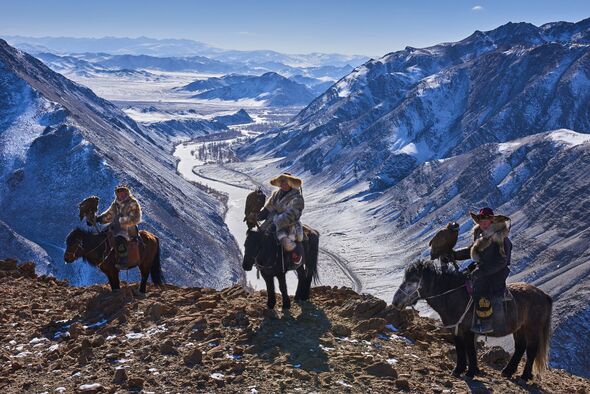
Mongolia is renowned for its stunning and varied geography, which includes the vast Gobi Desert, the expansive steppe, and the rugged Altai and Khangai mountain ranges. The Gobi Desert, the fifth-largest in the world, is famous for its “Singing Sands” and has been a key site for dinosaur fossil discoveries. The steppe, characterized by rolling grasslands, supports a significant livestock population, including 29.4 million sheep and 4.8 million horses.
The Altai and Khangai ranges in the west and north offer challenging terrain, home to the endangered snow leopard and the rare Przewalski’s horse, recognized as the last truly wild horse globally. This diverse environment is a major draw for eco-tourists and adventure seekers alike.
Life in Mongolia is heavily influenced by the tradition of nomadic pastoralism. An estimated 25-40% of the population still resides in Gers, traditional felt tents that embody the country’s rich cultural heritage. Despite its rural reputation, the capital city, Ulaanbaatar, is home to approximately 1.76 million residents. It is often cited as the world’s coldest capital city, thanks to its high elevation of around 4,430 feet and extreme continental climate. Winter temperatures can plunge below -25°C and occasionally reach as low as -50°C.
Future Prospects and Cultural Appeal
Mongolia’s government is focused on developing infrastructure and promoting the country as a prime destination for tourists interested in nature, adventure, culture, and spiritual experiences. To realize its ambitious goal of $4 billion in annual tourism revenue, the nation plans to enhance its marketing strategies and improve visitor facilities.
As tourism growth continues, the Mongolian government is optimistic about its potential to attract a broader demographic of travelers. The rich cultural tapestry of Mongolia, combined with its breathtaking landscapes, offers an appealing alternative to the more frequented destinations in Asia. With the right investments and promotional efforts, Mongolia could become a must-visit location for tourists seeking unique experiences in the years leading up to 2030.