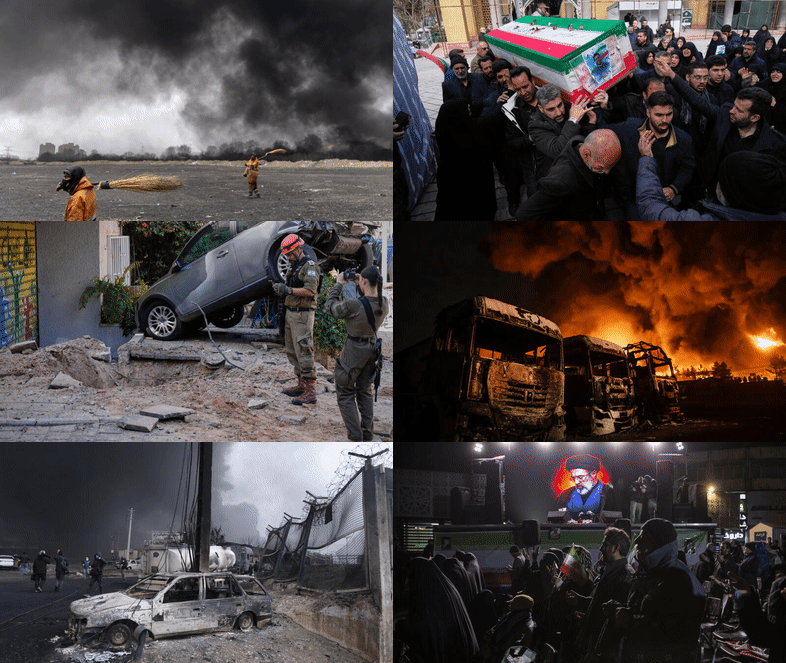




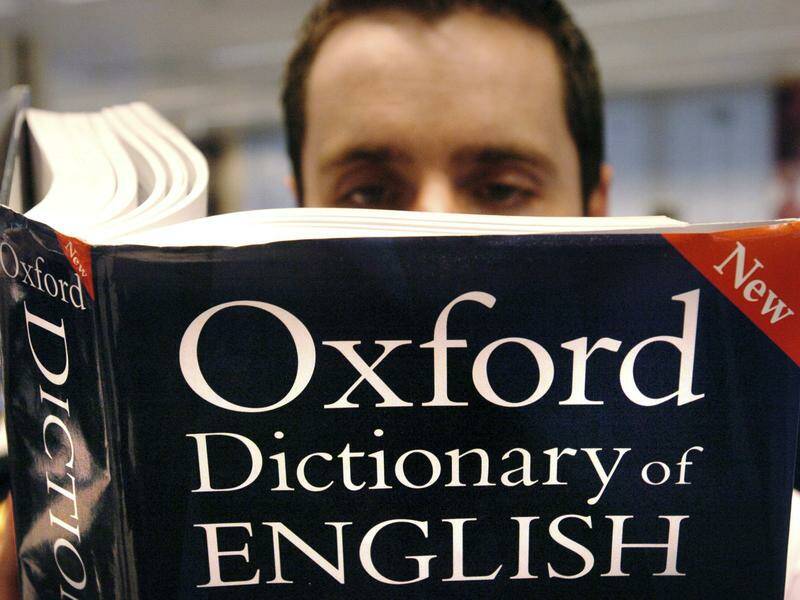
Oxford University Press has officially named “rage bait” as its word of the year for 2025, highlighting a significant trend in online discourse. This term refers to content deliberately crafted to provoke anger or outrage, often designed to attract traffic to specific social media accounts. In a statement, the organization explained that such content is frustrating, provocative, or offensive, aiming to engage users in heated discussions.
Lexicographer Susie Dent elaborated on the phenomenon during an interview with the BBC. She noted that those who create rage bait often revel in the millions of comments, shares, and even likes that follow. “We love fluffy cats, but we tend to engage more with negative content that really provokes us,” Dent explained, underscoring the influence of social media algorithms on user interaction.
Public Engagement and Trends
“Rage bait” emerged victorious from a shortlist that included two other contenders: “aura farming” and “biohack.” The public was invited to comment on the candidates, reflecting a broader engagement with language and its evolving meanings. “Aura farming” is defined as the act of curating a public persona designed to project an air of confidence, coolness, or mystique. In contrast, “biohack” refers to efforts aimed at enhancing or optimizing one’s physical or mental performance, health, or longevity.
The selection of the word of the year is part of a long-standing tradition at Oxford University Press, which has been identifying culturally significant words since 2004. Past winners include notable terms such as “podcast” in 2005, “emoji” in 2015, and “goblin mode” in 2022, which described a reluctance to return to pre-pandemic normalcy.
The Role of Social Media
The choice of “rage bait” reflects a growing concern about the type of content that thrives on social media platforms. As users navigate an increasingly polarized online landscape, the emphasis on generating outrage and engagement raises questions about the impact of such content on public discourse.
The algorithms that govern social media interactions often prioritize provocative content, leading to discussions that can escalate quickly. This trend suggests a need for greater awareness among users about the content they engage with and share. As the digital landscape continues to evolve, the implications of terms like “rage bait” will likely resonate beyond 2025, shaping discussions on media consumption and online behavior for years to come.
The recognition of “rage bait” as the word of the year serves as a reminder of the powerful intersection between language, technology, and societal values. As language evolves, so too does the need for critical engagement with the terms that define our digital interactions.