



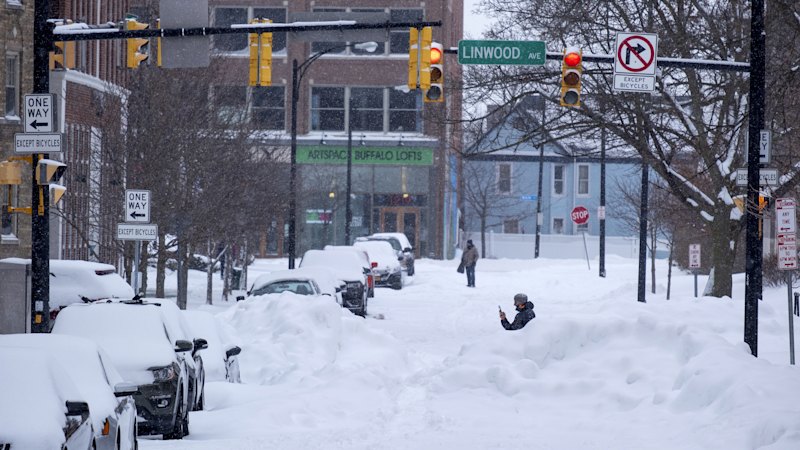
A significant winter storm is poised to affect over 170 million people across the United States, with severe weather conditions expected to bring heavy snow, ice, and freezing rain from March 3 to 6, 2024. The National Weather Service (NWS) warns that these conditions could result in catastrophic damage, extensive power outages, and dangerously low temperatures across a vast portion of the country.
Texas and Oklahoma are among the states preparing for treacherous travel conditions, anticipating heavy snowfall and ice that could make roadways hazardous. The storm is likely to span from the Southern Rockies to New England, with predictions of more than 30 cm of snow in some areas, including Oklahoma, Washington D.C., New York, and Boston. Forecasters also anticipate an extreme cold snap that could bring wind chills as low as -46°C in parts of North Dakota and Minnesota.
As the storm approaches, over 800 flights have already been delayed or canceled, affecting major airports in Dallas, Atlanta, and Oklahoma City, according to the flight tracking website FlightAware. Oklahoma’s Department of Transportation has initiated pre-treatment of roads with salt brine, and the state Highway Patrol has canceled days off for troopers to ensure adequate assistance is available for stranded drivers.
In response to the anticipated severe weather, numerous school districts have canceled classes and activities. Chicago Public Schools and Des Moines Public Schools in Iowa are among those that have closed for the day. In Houston, schools are operating on an e-learning day, while in Dallas, although schools are expected to remain open, after-school activities have been suspended.
Houston Mayor John Whitmire emphasized the city’s readiness: “It’s all hands on deck. We’re hoping for the best, but prepared for the worst.” The city has mobilized 3,300 employees from local utility companies to address potential power outages during the storm.
The NWS has issued warnings for dangerous conditions due to the combination of snow, freezing rain, and low temperatures. The weight of ice can cause power lines and tree branches to snap, potentially leading to widespread electricity outages that could last for days. Frigid temperatures are expected to extend as far south as Florida, with residents warned to prepare for the possibility of extended power outages and hazardous travel conditions.
States of emergency have been declared in both Georgia and Mississippi as local officials brace for the impact. In Huntsville, Alabama, local businesses have reported a surge in demand for generators, with one store manager noting that “95 percent of the calls were generator-related.” Residents across affected areas are stocking up on essential supplies, anticipating shortages as the storm approaches.
Governors across the region have urged residents to take precautions. Virginia Governor Abigail Spanberger advised citizens to prepare for days without power and reassured them that emergency services remain available. As officials continue to monitor the storm’s progression, they urge residents to remain patient and prioritize safety.
With the potential for conditions reminiscent of a hurricane, the winter storm serves as a reminder of the significant challenges posed by extreme weather. Following a severe cold snap that devastated Texas’s power grid five years ago, Texas Governor Greg Abbott assured residents that the state’s power system is now much stronger and better prepared to handle such emergencies.
As the situation develops, residents are encouraged to stay informed through reliable sources such as the National Weather Service and local news outlets.