The conflict in the Middle East has intensified, with significant developments reported regarding the ongoing military actions involving the United States, Iran, and Israel. Former President Donald Trump has publicly criticized allied nations for not assisting in securing the strategically vital Strait of Hormuz. This waterway is crucial for global oil shipments, and disruptions here could exacerbate concerns over a potential global energy crisis.
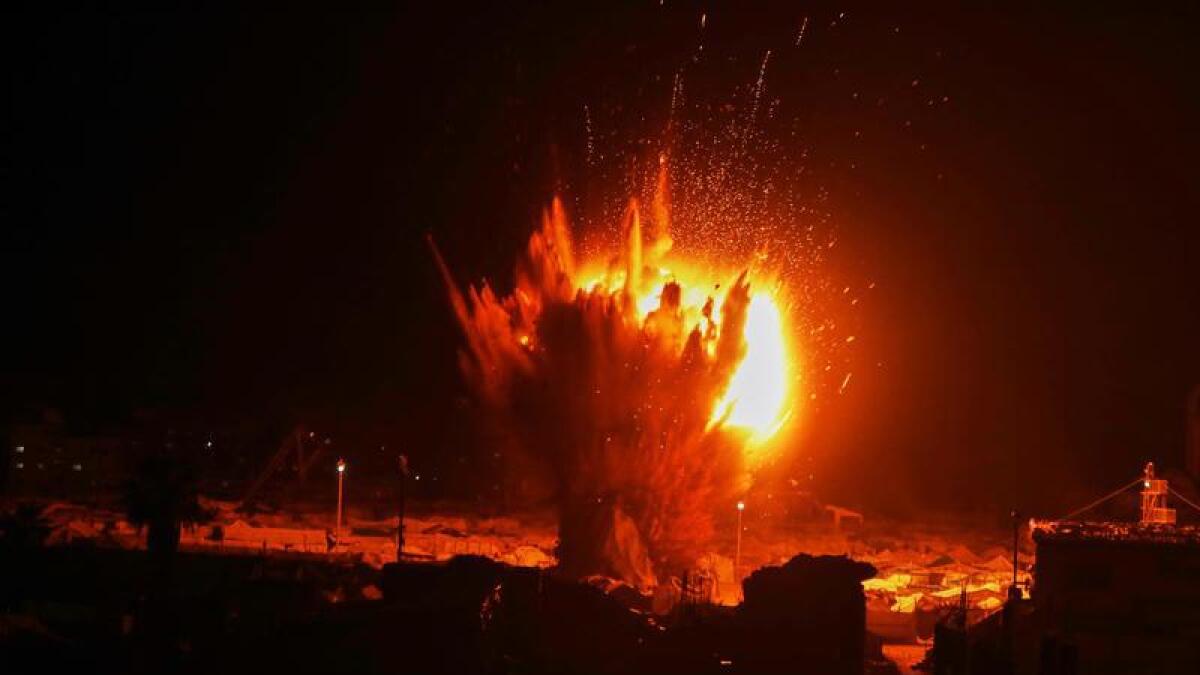
Fighting has escalated as Israeli forces continue their military campaign against Iranian targets in both Iran and Lebanon. Reports indicate that airstrikes have targeted positions believed to be associated with Iranian military operations. The ongoing violence raises alarms about the stability of the region and the implications for international energy supplies.
Global Reactions to the Escalating Conflict
The international community is closely monitoring the situation, particularly given the strategic importance of the Strait of Hormuz, through which approximately 20% of the world’s oil passes. Trump’s remarks reflect a growing frustration with allies who have not provided the expected support in this critical area. He has emphasized the need for a united front to deter Iranian aggression.
In Israel, military officials have stated that their operations aim to weaken Iranian influence in the region. The Israeli government has maintained that its actions are necessary to ensure national security. The strikes are reportedly part of a broader strategy to counter what they see as a growing threat from Iranian-backed groups in Lebanon and elsewhere.
Potential Economic Consequences
Analysts warn that the ongoing conflict could have serious ramifications for global energy markets. The threat of further military escalation in the region is likely to drive oil prices higher, contributing to an impending energy crisis. Economic stability in both developed and developing nations could be at risk should the situation deteriorate further.
As tensions continue to mount, the implications of these military actions extend beyond the immediate region. Nations reliant on oil imports are particularly vulnerable to fluctuations in supply and price. The situation remains fluid, with diplomatic efforts ongoing to de-escalate tensions and prevent further conflict.
The situation in the Middle East remains precarious, with ongoing military actions and international responses shaping a complex geopolitical landscape. The potential for a wider conflict remains a concern for global leaders as they navigate the delicate balance between security and diplomatic resolution.