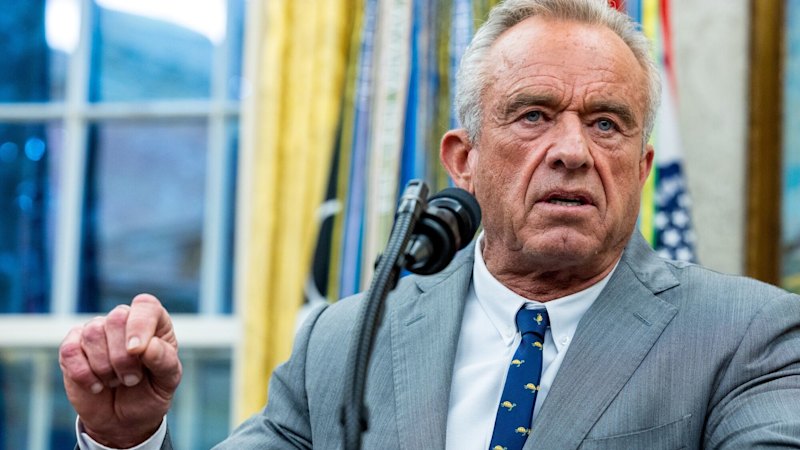
The Trump administration has announced a significant policy shift aimed at restricting gender-affirming medical care for transgender youth across the United States. This new regulation will cut federal funding to hospitals that provide puberty blockers, hormone therapy, or surgical interventions, impacting care for many minors. The changes are poised to affect approximately two dozen states where such treatments are currently funded through Medicaid, according to the Associated Press.
Robert F. Kennedy Jr., the US Secretary of Health, characterized gender-affirming care as “junk science,” asserting that it does not prioritize the well-being of children. He claimed that this type of care has caused “lasting physical and psychological damage on vulnerable young people.” During the announcement, Kennedy emphasized that the administration would not allow ideology to dictate medical decisions for minors, stating, “This is not medicine; it is malpractice.”
Policy Changes and Reactions
The proposed regulations are currently open for public comment before they are finalized, but they are expected to encounter strong opposition from medical organizations and advocacy groups. The Human Rights Campaign, the largest LGBTQ civil rights organization in the US, criticized the changes, arguing that they would severely restrict access to necessary healthcare for transgender youth nationwide. Kelley Robinson, president of the organization, expressed concern that the new rules would “completely cut off medically necessary care from children no matter where in this country they live.”
Similarly, The Trevor Project, which focuses on suicide prevention for LGBTQ youth, warned that limiting access to “medically necessary care” poses serious risks to the lives of transgender and non-binary individuals. Rodrigo Heng-Lehtinen, the organization’s senior vice president, highlighted the importance of personal medical decisions being made between patients, their doctors, and families, rather than imposed by federal mandates.
The new restrictions align with President Donald Trump‘s broader agenda to diminish transgender rights and recognition. Among his first executive orders in his second administration was a ban on the participation of transgender women in women’s sports, also linked to federal funding. The administration has officially stated that there are only two sexes, male and female, and has positioned itself against what it terms “transgender for everybody” policies.
International Context and Future Implications
The announcement reflects a growing trend of policy changes regarding gender-affirming care, not just in the US but also internationally. In 2024, British paediatrician Hilary Cass released a critical review of the gender-affirming model in the UK, which led to an indefinite ban on the routine prescription of puberty blockers. The UK’s National Health Service has since initiated new clinical trials for these drugs, questioning the appropriateness of medical interventions for gender incongruence among minors.
Furthermore, in January 2024, the Australian government announced a review of health guidelines for trans and gender diverse children, led by the National Health and Medical Research Council (NHMRC) and the Therapeutic Goods Administration. Interim recommendations on the use of puberty blockers are expected by mid-2026.
As the US government moves forward with these restrictions, advocates for gender-affirming care remain concerned about the potential impact on the mental health and well-being of transgender youth. The ongoing debate around the medical and ethical implications of gender-affirming care underscores the complexities involved in addressing the needs of this vulnerable population.