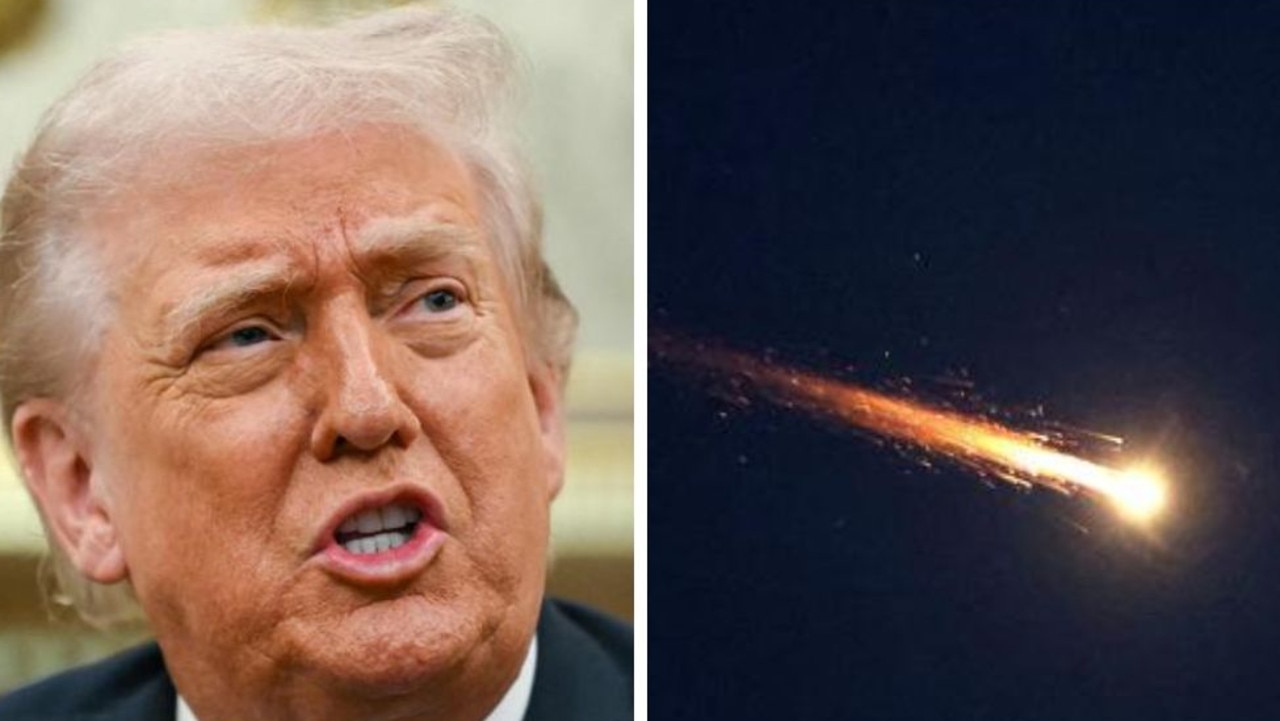


US President Donald Trump has declared that he feels “no obligation” to pursue peace, following his unsuccessful bid for the Nobel Prize. This statement comes amidst heightened tensions regarding his controversial campaign to acquire Greenland. Trump’s remarks have ignited criticism from European leaders and raised concerns about the future of trans-Atlantic relations.
In a letter to Norwegian Prime Minister Jonas Gahr Støre, Trump questioned Denmark’s sovereignty over Greenland, suggesting that the country is incapable of defending the territory against potential incursions from Russia and China. Trump’s comments follow a weekend where he escalated his push for the acquisition by threatening to impose a 10 percent tariff on eight European allies starting in February 2024, with a potential increase to 25 percent by June 2024.
Tensions have reached a boiling point, causing fears of a trade war with retaliatory tariffs that could impact NATO’s unity. Trump argues that US ownership of Greenland is essential for national security, claiming it would enhance the United States’ ability to monitor missile threats and deter adversarial actions in the Arctic.
In his letter, Trump expressed personal grievances, stating, “Considering your country decided not to give me the Nobel Peace Prize for having stopped eight wars, I no longer feel an obligation to think purely of peace.” He further questioned Denmark’s historical claim to the territory, dismissing it as based on outdated notions of ownership.
The Nobel Prize committee, appointed by the Norwegian government, operates independently, and Trump’s ineligibility for the award last year was attributed to the nomination deadline closing shortly after he took office. His assertion of having ended eight wars has been contested, particularly given the ongoing conflict in Ukraine.
Trump’s tariff threats specifically target the United Kingdom, Denmark, France, Germany, the Netherlands, Norway, Sweden, and Finland. This escalation follows military exercises involving a small number of troops from these nations in Greenland.
As world leaders prepare for the upcoming World Economic Forum in Davos, the European Union is contemplating a substantial response. French President Emmanuel Macron has suggested that the EU may impose up to €93 billion ($161 billion) in retaliatory tariffs if diplomatic efforts fail. Such measures had previously been put on hold following a trade agreement between the US and the EU.
Germany’s Vice-Chancellor Lars Klingbeil emphasized that the country will not be “blackmailed” and is ready to defend its interests. Meanwhile, UK Prime Minister Sir Keir Starmer has taken a more conciliatory approach, indicating that while he opposes Trump’s actions, he acknowledges the importance of maintaining strong relations with the US.
Starmer stated, “Strong, respectful alliances require the maturity to say where we disagree, and on this we disagree.” He highlighted the UK’s ongoing commitment to its relationship with the US, underscoring that cooperation in defense and security remains crucial.
With an emergency leaders’ meeting planned for later this week, the unfolding situation poses significant implications not only for the immediate stakeholders but also for the broader international landscape. The outcome of these discussions could shape the future of US-European relations and the stability of international alliances.