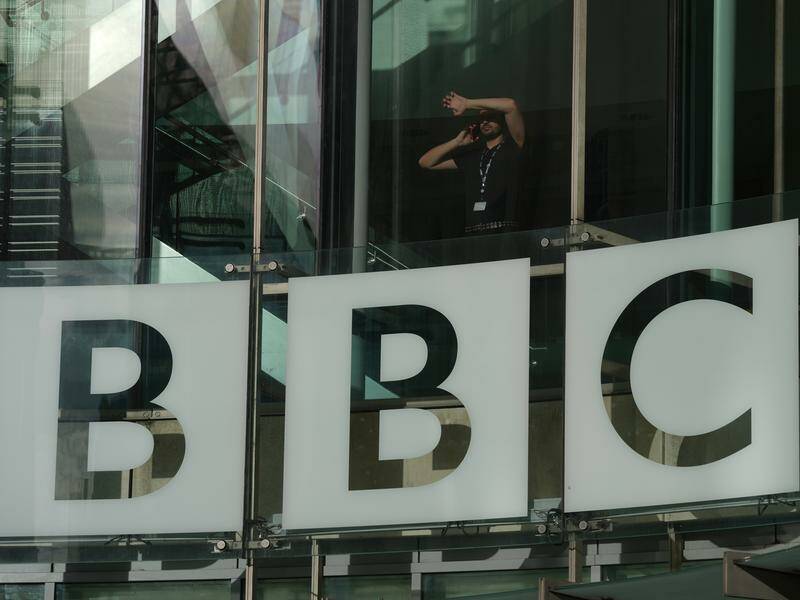
Former President Donald Trump has initiated a lawsuit against the BBC, seeking damages of up to $15 billion AUD (approximately $10 billion USD). The legal action stems from edited clips of a speech he delivered on January 6, 2021, which Trump claims misrepresented his comments and suggested he incited violence during the Capitol riots.
In his lawsuit, filed in federal court in Miami on October 23, 2023, Trump alleges that the BBC defamed him by splicing together segments of his speech. The edits included remarks instructing supporters to “march on the Capitol” and to “fight like hell,” while omitting his call for a peaceful protest. Trump contends that this manipulation distorted the context of his speech and damaged his reputation.
The lawsuit is structured around two counts, each seeking $5 billion USD in damages. Trump’s legal team argues that the edited clips, featured in a Panorama documentary, violated a Florida law that prohibits deceptive and unfair trade practices.
The BBC has publicly stated its intent to defend against the lawsuit and has refrained from further comment. In the past, the broadcaster acknowledged an error in judgment regarding the edits, admitting that they gave a misleading impression of Trump’s statements. A spokesperson for the BBC noted that there is no legal basis for the lawsuit.
British Minister Stephen Kinnock weighed in on the situation, affirming that the BBC’s previous apology was sufficient and that there were no grounds for legal action. “It’s right that the BBC stands firm on that point,” Kinnock said in an interview with Sky News.
Trump’s lawsuit criticizes the BBC for failing to demonstrate genuine remorse for the alleged wrongdoing. A representative for Trump’s legal team accused the BBC of a longstanding pattern of misleading coverage in service of its purported political agenda.
The controversy surrounding the edited clips has escalated into a significant public relations crisis for the BBC, which is facing one of the most challenging periods in its history. After the backlash, the organization announced that it would not rebroadcast the controversial documentary on any of its platforms.
The edited speech drew additional scrutiny following the release of an internal memo from a BBC standards adviser, which raised concerns about the editing process and highlighted issues of political bias at the broadcaster. Trump’s legal team claims that the BBC’s actions have caused him substantial reputational and financial harm.
While the Panorama documentary was not aired in the United States, it is accessible through the BBC-owned streaming service BritBox. Legal experts suggest that Trump’s decision to file in the United States rather than the UK allows him to bypass a one-year statute of limitations for defamation claims under British law.
To succeed in his lawsuit, Trump will need to overcome robust legal protections for free speech and the press under the U.S. Constitution. He must prove that the edited content was not only false but also that the BBC acted with a reckless disregard for the truth.
The BBC may argue that the documentary’s content was substantially true and that its editing did not create a false impression. Additionally, they could assert that the program did not inflict any damage to Trump’s reputation.
In the past, Trump has successfully settled lawsuits with other media organizations, including CBS and ABC, following his election victory in November 2024.
The January 6, 2021, attack on the U.S. Capitol aimed to disrupt Congress’s certification of Joe Biden‘s presidential victory over Trump in the 2020 election. This ongoing legal battle highlights the complex relationship between media representation and political figures.