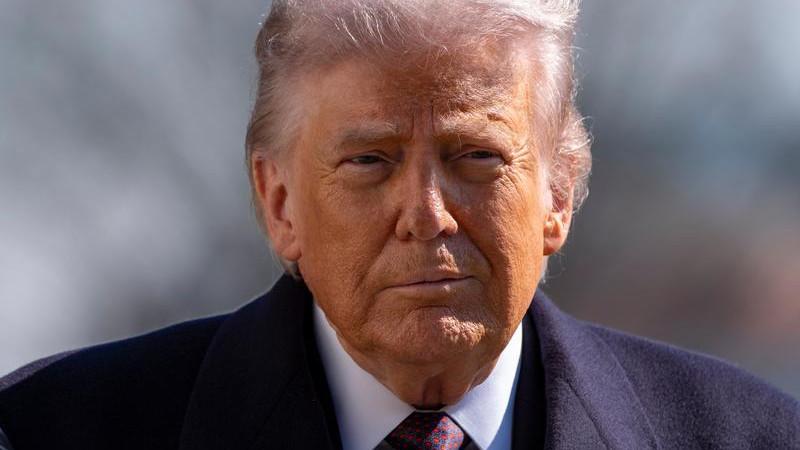



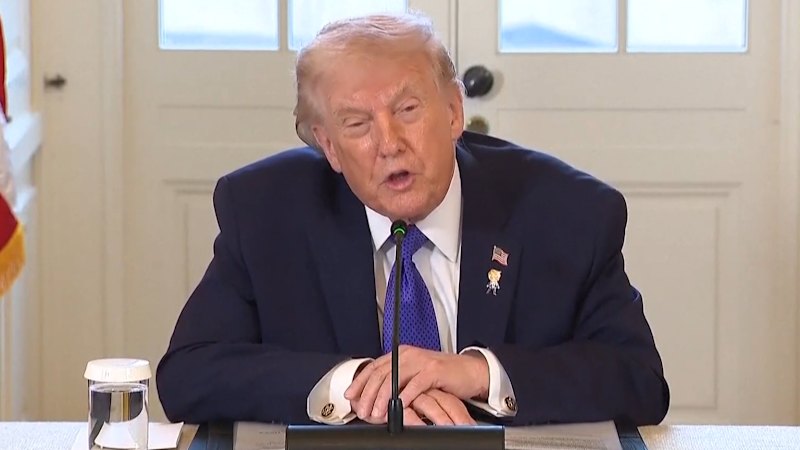
U.S. President Donald Trump issued a stern warning to the Cuban government, urging them to negotiate a deal before it is too late. This statement comes as Cuba, a close ally of Venezuela, faces the possibility of significant unrest. The situation has been exacerbated by ongoing economic challenges and political instability in Venezuela, which has profound implications for the region.
The warning, delivered on July 18, 2023, reflects increasing concerns from the U.S. government regarding Cuba’s role in supporting the Venezuelan regime. Trump emphasized the need for Cuba to consider its options carefully, stating that the window for a favorable agreement is closing rapidly.
Context of the Warning
Cuba has been under strict U.S. sanctions for decades, but recent developments in Venezuela have intensified scrutiny of its alliance with the South American nation. The Venezuelan economy has been in freefall, marked by hyperinflation and widespread shortages of basic necessities. This crisis has led to massive protests and civil unrest, prompting fears that instability in Venezuela could spill over into Cuba.
In his remarks, Trump underscored the potential consequences for Cuba if it continues to support the Venezuelan government. He indicated that the U.S. is prepared to take further action if necessary, though specifics were not disclosed.
International Reactions
The international community is closely monitoring the situation, particularly as it relates to human rights and regional stability. Critics of Trump’s approach argue that increased pressure on Cuba may worsen the humanitarian situation for its citizens. They contend that constructive dialogue could yield more positive outcomes than threats and sanctions.
Cuban officials have not yet publicly responded to Trump’s warning, but they have previously condemned U.S. interference in their internal affairs. The Cuban government maintains that it has the right to forge alliances according to its national interests.
The dynamics between Cuba, Venezuela, and the U.S. illustrate the complex interplay of regional politics. As tensions rise, the need for diplomatic engagement becomes increasingly urgent. The unfolding events will likely shape not only the future of U.S.-Cuba relations but also the broader geopolitical landscape in Latin America.
As the situation develops, analysts will be watching closely to see how both the Cuban and Venezuelan governments respond to this latest U.S. ultimatum. The implications of their actions could have far-reaching effects on the stability of the region and the lives of millions.