


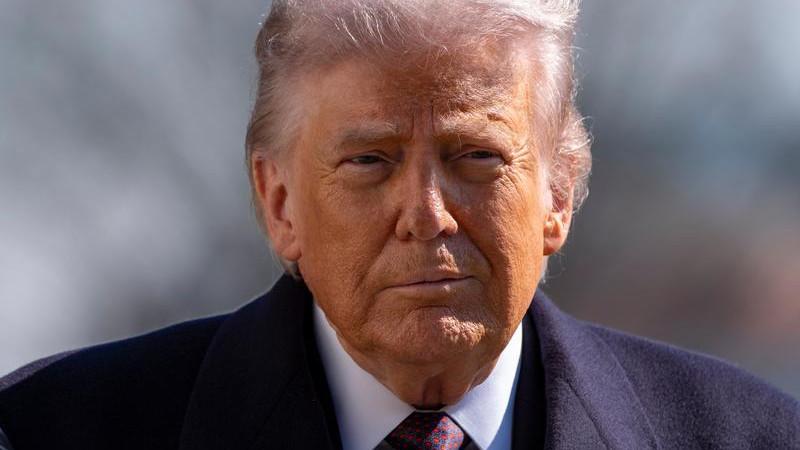
Federal Reserve Chairman Jerome Powell is under criminal investigation by the U.S. Department of Justice, a development that has raised significant concerns about the independence of the central bank. The investigation is linked to Powell’s testimony to Congress regarding a major renovation of the Federal Reserve’s office buildings. This scrutiny comes as former President Donald Trump has targeted Powell for allegedly being “too slow” to cut interest rates during his presidency, despite Powell being appointed by Trump himself.
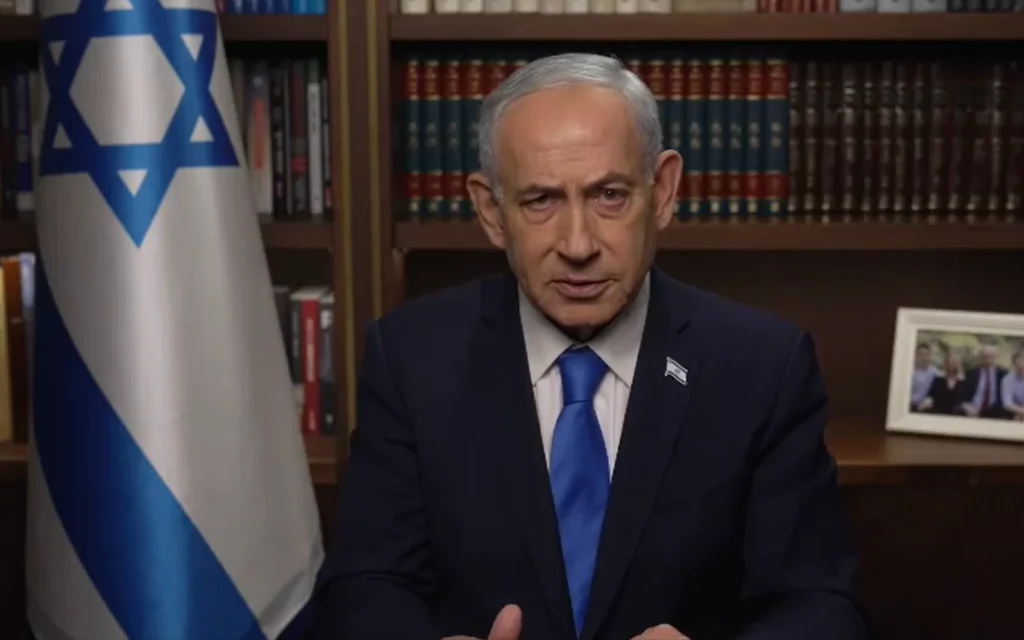
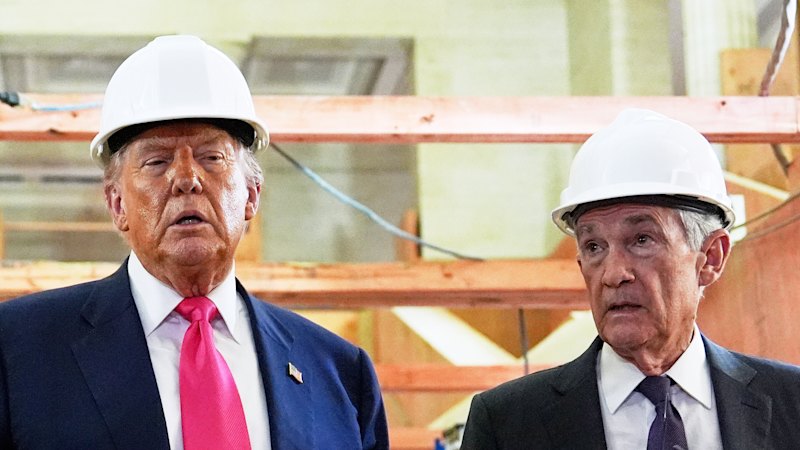
The backdrop to this investigation was highlighted during a tour of the renovated Fed offices in July 2025, where tensions between Trump and Powell became evident. In a video message, Powell emphasized that the subpoenas issued to the Federal Reserve for grand jury testimony were not merely about the renovation but were deeply political. He stated, “The threat of criminal charges is a consequence of the Federal Reserve setting interest rates [independently] rather than following the preferences of the president.”
Powell’s situation is not unique, as Trump has a history of pursuing political adversaries. Previous attempts to indict figures such as New York Attorney General Letitia James and former FBI Director James Comey illustrate a pattern of retribution against critics. As Powell’s term approaches its end in May, the pressure intensifies, especially following a recent interest rate cut in December.
Despite the gravity of the situation, there has been a noticeable lack of vocal support for Powell from prominent figures in business and technology. Notable names such as hedge fund manager Bill Ackman, Tesla CEO Elon Musk, and entrepreneur David Sacks have not publicly defended him. Silicon Valley leaders like Mark Zuckerberg and Tim Cook, along with Wall Street executives including Jamie Dimon, have also remained silent on the matter.
In contrast, the economics policy community has demonstrated stronger resistance. A joint statement from 13 prominent figures, including former Fed Chairs Alan Greenspan, Janet Yellen, and Ben Bernanke, condemned the administration’s actions as an attempt to undermine the central bank’s independence, likening it to behaviors seen in developing nations with weak institutions. They asserted, “This is how monetary policy is made in emerging markets with weak institutions, with highly negative consequences for inflation and the functioning of their economies more broadly.”
Political reactions have also surfaced, with retiring Republican Senator Thom Tillis of North Carolina expressing concern that Trump’s administration is actively undermining the Fed’s independence. Tillis, who serves on the Senate Banking Committee, stated he would oppose any nominee for the Fed board, including Powell’s successor, until the legal matter is resolved. He noted, “There is now no doubt that advisers in the Trump administration were actively pushing to end the Fed’s independence.”
The implications of this investigation extend beyond Powell. Jason Furman, a Harvard economics professor, remarked that countries such as Venezuela and Turkey have faced dire consequences when central bankers are prosecuted for political reasons. He emphasized, “The attack on Powell is dangerous,” underscoring the broader risks to economic stability.
As the investigation unfolds, analysts suggest that Trump’s aggressive stance may backfire, alienating key political allies. Powell’s situation represents more than just a personal challenge; it poses fundamental questions about the integrity of the Federal Reserve and its role in the U.S. economy. Observers like Justin Wolfers, an Australian economics professor at the University of Michigan, noted the potential for significant harm to American citizens and the economy. Wolfers stated that the pressure on Powell is “pointlessly destructive” and questioned the rationale behind Trump’s actions, suggesting that a mere wait until May would have sufficed.
The unfolding events around Jerome Powell and the Federal Reserve highlight the intersection of politics and economic policy in the United States. As this story develops, the reactions from both political and business leaders will be closely scrutinized, revealing the extent of support for institutional independence in the face of political pressure.