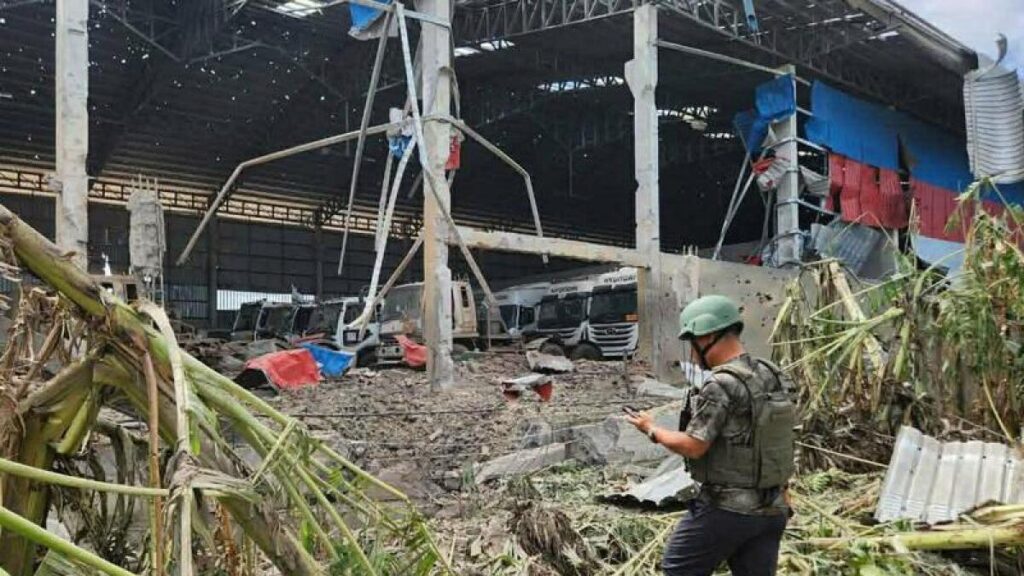
Efforts are underway from both the United States and China to restore a ceasefire between Thailand and Cambodia as tensions escalate along their shared border. On December 8, 2023, fighting resumed between the two nations, prompting urgent diplomatic calls for de-escalation.
Diplomatic Engagements Intensify
US Secretary of State Marco Rubio reached out to Thai Foreign Minister Sihasak Phuangketkeow on Friday, expressing concerns over the escalating conflict. According to the State Department, Rubio emphasized the need for Thailand to engage in de-escalation efforts and adhere to the existing ceasefire agreement.
Simultaneously, Chinese Foreign Minister Wang Yi spoke with his counterparts in Thailand and Cambodia on Thursday. Both nations have reportedly indicated their willingness to ease tensions and pursue a ceasefire, as stated by China’s foreign ministry. The ministry further noted, “The intensity of this round of clashes has far exceeded previous incidents, and if it continues, it will benefit neither side and will undermine ASEAN unity.”
Upcoming ASEAN Meeting
The Thai foreign ministry confirmed that Sihasak shared insights on a potential way forward during his conversation with Rubio, which includes participation in the upcoming ASEAN meeting scheduled for Monday in Kuala Lumpur. The meeting will mark the first in-person discussions between the Thai and Cambodian governments since the fighting reignited.
Prak Sokhonn, Cambodia’s Foreign Minister, is also expected to attend the ASEAN meeting. While Cambodia has yet to publicly respond to the diplomatic overtures from both Washington and Beijing, Malaysian Prime Minister Anwar Ibrahim, the current ASEAN chair, expressed cautious optimism regarding the meeting’s potential outcomes. He noted that both Thailand and Cambodia are keen to find a peaceful resolution.
The ongoing conflict stems from long-standing disputes over sections of the 800-kilometer land border between the two nations. Both countries blame each other for the breakdown of a ceasefire that was initially brokered in July and later expanded into a more comprehensive agreement in October.
On the ground, violence continues as fighting erupted across the border on Friday, with reports indicating that Cambodia fired heavy artillery while Thailand retaliated. A spokesperson from the Thai defense ministry confirmed these exchanges.
Rising tensions date back to November when Thailand suspended de-escalation measures, including troop withdrawals and the release of Cambodian prisoners of war. This decision followed the injury of a Thai soldier by a landmine, which Thailand claims was recently placed by Cambodian forces, a claim that Cambodia denies. Bangkok asserts that any cessation of hostilities must begin with a clear ceasefire proposal from Cambodia, while Phnom Penh insists it is acting in self-defense against Thai military actions.
The upcoming ASEAN meeting represents a crucial opportunity for both nations to articulate their positions and work towards a resolution that promotes stability in the region. As the situation develops, the international community is closely monitoring the diplomatic efforts aimed at restoring peace.