The United States launched a series of airstrikes targeting Islamic State (ISIS) positions in Syria, marking a significant military response to ongoing threats from the extremist group. This operation was reported on March 15, 2024, and involved coordinated efforts by US military forces.
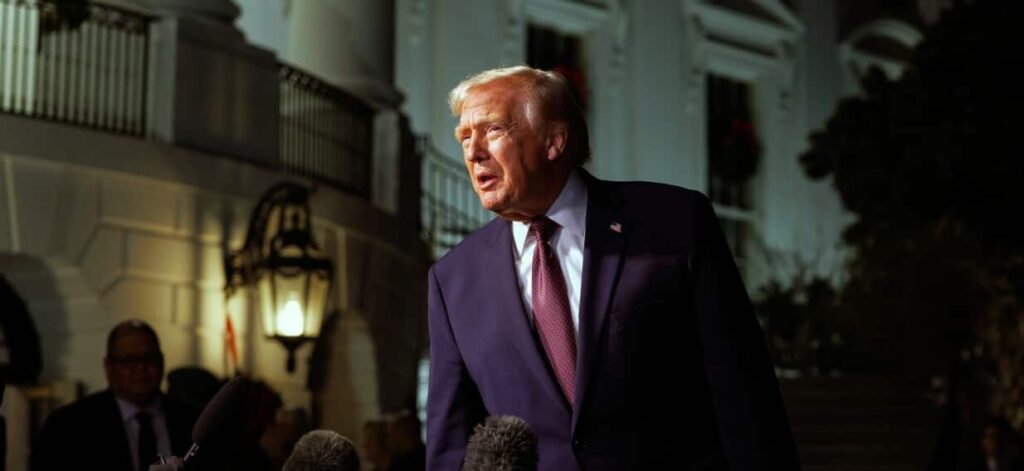
According to US President Donald Trump, the Syrian government fully backed these strikes, highlighting a rare alignment of interests between the two nations in combating terrorism. This collaboration, though historically complicated, underscores a mutual concern regarding the resurgence of ISIS in the region.
The airstrikes focused on several key locations in eastern Syria known to be strongholds for ISIS. Military officials indicated that the strikes aimed to dismantle critical infrastructure used by the group for planning and executing attacks. These operations were part of a broader strategy to weaken ISIS’s influence, which has seen a resurgence in recent months.
The decision to conduct these airstrikes was influenced by increased intelligence reports indicating that ISIS was regrouping and planning attacks not only in Syria but also beyond its borders. The US military’s assessment showed that swift action was necessary to prevent further destabilization in the region.
In his statement, President Trump emphasized the importance of international cooperation in fighting terrorism. “We are committed to working with all our allies, including the Syrian government, to eradicate the threat posed by ISIS,” he asserted, signaling a strategic shift in US foreign policy.
The Syrian government, while often at odds with the US in other matters, welcomed the strikes, viewing them as a necessary measure against a common enemy. This cooperation may pave the way for more coordinated efforts against extremist groups operating in the area.
The airstrikes come at a time of heightened tension in the Middle East, where various factions vie for control and influence. The US has maintained a military presence in Syria since 2014, primarily to combat ISIS and support local forces. However, the dynamics on the ground remain complex, with multiple actors involved, each with differing objectives.
As the situation unfolds, it remains to be seen how these strikes will impact the broader geopolitical landscape in Syria and the region. Analysts suggest that while immediate tactical advantages may be gained, long-term stability will require ongoing collaboration among international and regional stakeholders.
In summary, the US airstrikes against ISIS targets in Syria reflect a significant moment in the ongoing fight against terrorism, highlighting the complex interplay of international relations and military strategy in countering extremist threats.