
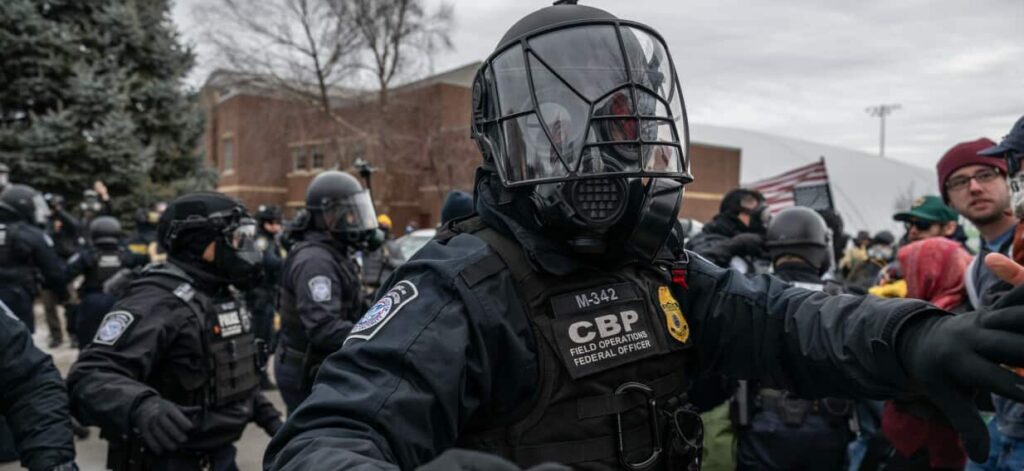
The United States Department of Justice has launched an investigation into Minnesota Governor Tim Walz regarding allegations of obstructing the federal Immigration and Customs Enforcement (ICE) agency. This inquiry has raised significant political tensions as it coincides with ongoing debates surrounding immigration policies and state-federal relations.
Governor Walz publicly responded to the investigation, stating that the justice system is being used as a tool to intimidate those perceived as political adversaries of former President Donald Trump. His comments reflect growing concerns among some state leaders that federal authorities may be targeting individuals who oppose certain national policies.
The origins of the investigation stem from accusations that Walz and other state officials may have taken actions to hinder ICE operations in Minnesota. While specifics of the allegations have not been disclosed, the accusations have sparked discussions about the balance of power between state and federal governments in enforcing immigration laws.
In a statement released on social media, Walz expressed his belief that the investigation is politically motivated. He emphasized that his administration will continue to prioritize the rights and safety of all Minnesota residents, regardless of their immigration status. “We will not be intimidated by these tactics,” he declared, portraying the inquiry as an attack on the state’s ability to govern.
The state of Minnesota has been at the center of immigration debates, particularly regarding its policies that aim to protect undocumented immigrants from deportation. Advocates for immigrant rights argue that such policies are essential for community safety and cohesion. Critics, however, contend that these measures undermine federal immigration enforcement and contribute to a culture of lawlessness.
As the investigation unfolds, it could have broader implications for other states grappling with similar issues. Legal experts suggest that this case may set precedents regarding the extent to which state officials can oppose federal immigration directives. The outcome could influence how states navigate their responsibilities in enforcing immigration laws while protecting the rights of their residents.
The political ramifications of this investigation extend beyond Minnesota. With the 2024 presidential election approaching, the use of the justice system in political disputes is likely to become a focal point for candidates and political commentators alike. As both parties weigh in, the narrative surrounding this case may evolve, reflecting the contentious nature of current U.S. politics.
Governor Walz’s administration has indicated that it will fully cooperate with the investigation, asserting that transparency is crucial in addressing the allegations. The Justice Department has not provided a timeline for the investigation, leaving many to speculate on its potential outcomes and impact on the governor’s political future.
In the meantime, the political landscape continues to shift, shaped by both local and national dynamics. The implications of this investigation will likely reverberate through Minnesota and beyond as discussions on immigration and state authority remain at the forefront of national discourse.