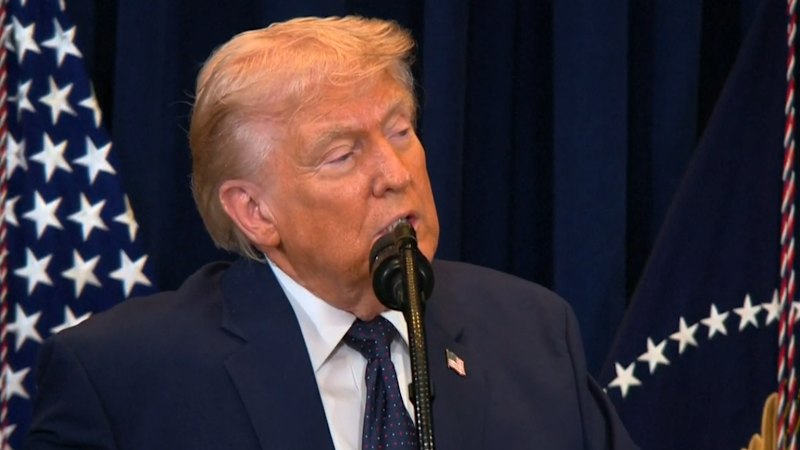
The White House has issued conflicting statements regarding the timeline for ending the ongoing conflict in Iran as hostilities persist across the Middle East. On March 10, 2026, U.S. officials provided varying perspectives on the situation, leading to confusion about the administration’s intentions and strategy.
Recent remarks from senior officials have outlined a commitment to a diplomatic resolution, yet the specifics remain elusive. In a press briefing, a spokesperson emphasized the administration’s focus on “ensuring regional stability” and “prioritizing diplomatic channels.” However, other officials have hinted at the possibility of extended military engagement, suggesting that the conflict could continue for months or even longer.
As tensions escalate, the implications of these mixed messages could influence not only U.S. foreign policy but also the broader geopolitical landscape in the region. The uncertainty surrounding the White House’s position raises questions about its impact on allied nations and potential adversaries alike.
Diplomatic Efforts and Military Presence
The Biden administration has consistently asserted that a diplomatic solution is the preferred course of action. Yet, as of now, there appears to be a substantial military presence in the region, with reports indicating that U.S. troops are prepared for various scenarios. The juxtaposition between diplomatic rhetoric and military readiness has led to speculation about the administration’s long-term strategy.
According to military analysts, the situation in Iran is complex, with various factions vying for power and influence. The U.S. has expressed a desire to prevent further destabilization, particularly in light of ongoing conflicts in neighboring countries. Yet, the lack of a clear timeline for withdrawal or escalation creates an environment of uncertainty.
International Reactions and Future Implications
Reactions from international leaders have varied. Some countries in the region are advocating for a swift resolution, fearing that prolonged conflict could exacerbate humanitarian crises. Others view the U.S. military presence as a deterrent against regional threats.
The mixed signals from Washington could also affect ongoing negotiations related to Iran’s nuclear program. With the nation continuing its uranium enrichment activities, the urgency for a diplomatic solution is increasingly pressing. Observers are closely monitoring the situation, as any moves made by the U.S. could reverberate through the Middle East.
In conclusion, the White House’s conflicting messages regarding the Iran war raise critical questions about the future of U.S. involvement in the region. As the situation continues to unfold, the implications for both American foreign policy and international relations remain to be seen.