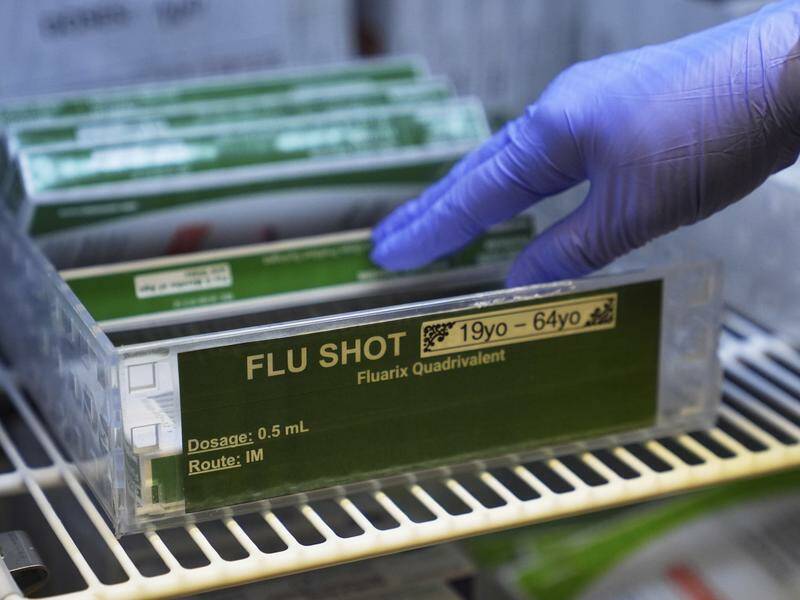
The United States has officially revised its vaccination guidelines, ending the long-standing recommendation that all children receive vaccines against influenza and three other diseases. This significant change was announced by the Centers for Disease Control and Prevention (CDC) on Monday, marking a notable step in the agenda of Health Secretary Robert F. Kennedy Jr..
The new guidance alters recommendations for the rotavirus, influenza, meningococcal disease, and hepatitis A vaccines, suggesting that parents consult healthcare providers for individualized clinical decisions. This shift has raised concerns among public health experts, who warn it could result in increased hospitalizations and preventable deaths among children.
Acting CDC Director Jim O’Neill approved the changes without the agency’s typical expert review process. This decision aligns with previous calls made by former President Donald Trump in December 2022, advocating for a reduction in the number of vaccines given to children to better align with practices in other developed nations.
Critics of the revised guidelines include prominent vaccine experts who argue that the removal of universal vaccination recommendations poses risks to public health. Michael Osterholm, director of the University of Minnesota’s Center for Infectious Disease Research and Policy, emphasized the need for thorough public discussion regarding the potential benefits and risks of such a policy change.
The chair of the American Academy of Pediatrics, Sean O’Leary, pointed out that healthcare systems and disease risks vary significantly across countries. He noted that while the United States relies heavily on private healthcare, many other developed nations provide universal healthcare funded by the government. He stated, “Any decision about the US childhood vaccination schedule should be grounded in evidence, transparency, and established scientific processes, not comparisons that overlook critical differences between countries or health systems.”
In response to the changes, White House spokeswoman Karoline Leavitt described the decision as a means to empower parents and healthcare providers to make informed choices for children’s health. She expressed hope that this approach would restore confidence in the public health system, which has faced scrutiny in recent years.
The implications of these new guidelines remain to be seen, as public health experts continue to express their concerns. The future of childhood vaccination policies in the United States could have lasting effects on the health of the nation’s children, particularly in light of the ongoing debates surrounding vaccine safety and efficacy.