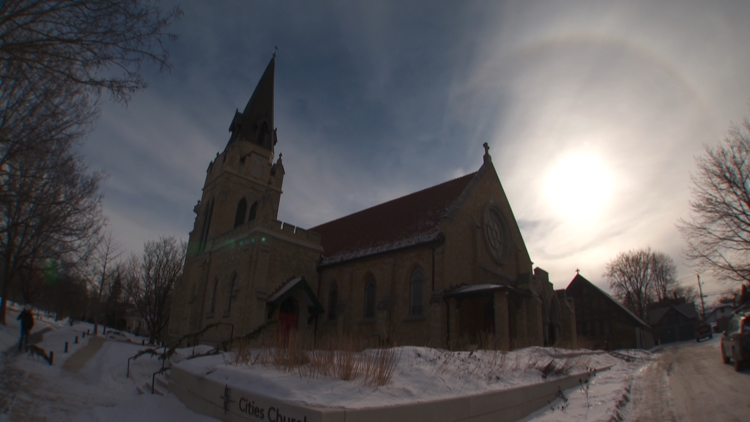
U.S. Attorney General Pam Bondi announced on March 15, 2024, the indictment of 30 additional individuals for their involvement in a protest at Cities Church in Minnesota. The protest occurred in January, targeting the church where a pastor is affiliated with Immigration and Customs Enforcement (ICE). Bondi stated that 25 of the accused are already in custody, with more arrests anticipated. This brings the total number of individuals facing charges related to this incident to 39.
The protest, which took place on January 18, 2024, involved demonstrators interrupting church services with chants such as “ICE out” and “Justice for Renee Good.” This latter phrase references the fatal shooting of Renee Good, a woman killed by an ICE officer in Minneapolis on January 7. The protest has drawn considerable attention, especially after the charges against prominent local activist Nekima Levy Armstrong and journalists Don Lemon and Georgia Fort, who assert they were present to cover the event as media representatives.
The indictment describes the actions of the protesters as a “coordinated takeover-style attack” on a place of worship. Bondi emphasized the seriousness of the charges, stating, “If you do so, you cannot hide from us — we will find you, arrest you and prosecute you.” The charges include conspiracy against religious freedom and interference with the right to religious practice.
Details of the Incident and Reactions
The protest’s fallout has been significant, prompting condemnation from officials within the Trump administration, who criticized the disruption of a Sunday service. According to the indictment, the protesters engaged in acts of intimidation, which left some congregants, including children, in fear for their safety. One account from the indictment states, “Young children were left to wonder, as one child put it, if their parents were going to die.”
The church’s attorney, Doug Wardlow, welcomed the indictments, asserting that the First Amendment does not protect individuals who disrupt church services and instill fear within worshippers. He stated, “The First Amendment does not give anyone — regardless of profession, prominence or politics — license to storm a church and intimidate, threaten and terrorize families and children worshipping inside.”
The revised indictment includes new allegations compared to the original charges filed in January. It claims that two individuals conducted surveillance outside the church prior to the protest and recorded their observations. One protester was quoted as saying, “This ain’t God’s house. This is the house of the devil,” during the interruption.
Levy Armstrong defended the protest publicly, arguing that those who criticized it should reflect on their priorities, asserting that the community faces more significant injustices than the disruption of a service. This protest coincided with heightened tensions in Minnesota, as federal officers were deployed for Operation Metro Surge, which aimed to address public fraud cases predominantly involving individuals of Somali descent.
Wider Implications and Community Impact
The backlash from the protest has extended beyond legal repercussions. The city of Minneapolis reported an economic impact of approximately $203 million due to the heightened presence of ICE officers during Operation Metro Surge. This operation initially saw around 3,000 federal agents deployed, although that number is expected to decrease to about 400 by early March 2024.
In the wake of the events, some community members have sought legal recourse. A woman who attended the church service during the protest has filed a lawsuit against several of those charged, claiming emotional trauma and an infringement on her right to practice her religion freely that day.
The series of incidents surrounding this protest highlights the ongoing complexities of immigration enforcement and civil rights within the United States. The repercussions of this protest and subsequent indictments continue to unfold, affecting both the local community and the broader national discourse on religious freedom and immigration policy.