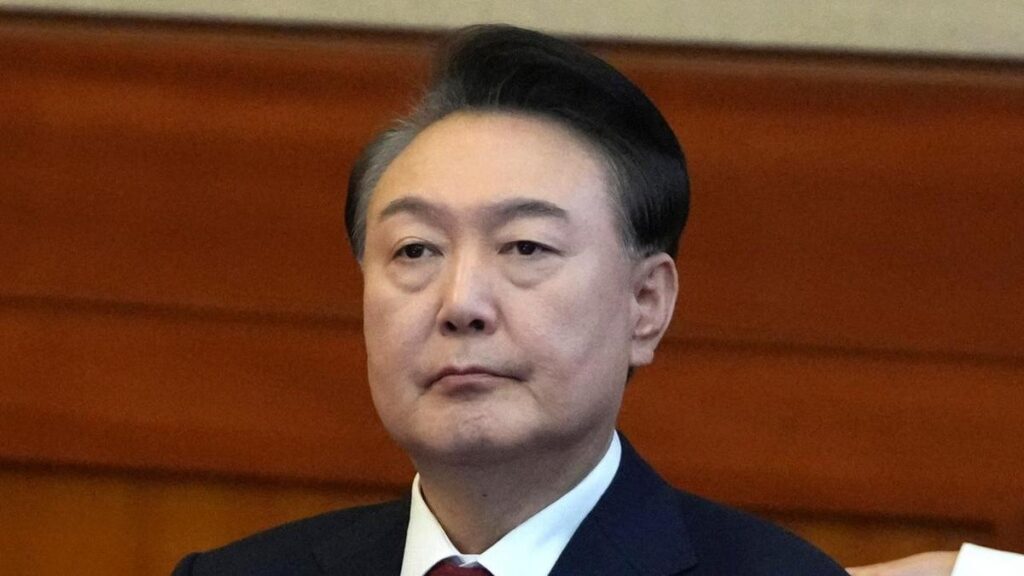
A South Korean court has convicted former President Yoon Suk-yeol of rebellion for his role in an attempted insurrection during a failed effort to impose martial law in December 2024. This unprecedented ruling by the Seoul Central District Court raises significant concerns regarding the integrity of the nation’s democratic processes.
Judge Jee Kui-youn stated that Yoon mobilized military and police forces in an illegal attempt to seize control of the liberal-led National Assembly, arrest opposition politicians, and establish unrestrained power for an extended period. The case has garnered global attention, not only for its implications on South Korea’s political landscape but also for the serious nature of the charges, which carry a potential death penalty.
The special prosecutor has called for the death penalty, arguing that Yoon’s actions posed a severe threat to the country’s democracy. The prosecutor emphasized that such a significant violation of democratic norms warrants the most severe punishment available under the law. Despite this, legal analysts predict that Yoon is more likely to receive a life sentence rather than capital punishment due to the complexities involved in such a high-profile case.
The court’s decision is set against a backdrop of heightened political tensions in South Korea, where the balance of power has been a contentious issue. Yoon’s attempt to impose martial law has sparked debates about the limits of executive power and the role of military and police forces in political matters.
As the nation awaits sentencing, which is scheduled for Thursday, the ramifications of this case will likely resonate beyond South Korea, influencing discussions on democracy and governance worldwide. Observers are keenly watching how this ruling will impact public trust in political institutions and the future direction of South Korean democracy.