

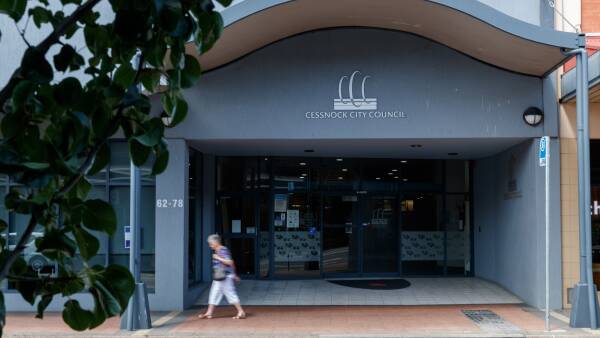
Residents of Cessnock are facing the prospect of significant financial strain as the local council has voted to apply for a one-off permanent rates increase of nearly 40%. This proposed hike of 39.9% comes in stark contrast to the independent cap of 5.7% set by the Independent Pricing and Regulatory Tribunal (IPART) for the financial year ending in June 2027. Many community members are expressing fears that such a drastic increase could force them to delay or even cancel their retirement plans.
During a council meeting on Wednesday evening, the vote to proceed with the application was met with some opposition. Residents are particularly concerned about how this increase will impact their finances amid ongoing pressures from the cost of living crisis. If approved, the average resident could see their bills rise by approximately $600 in 2027 compared to this year. Farmers and businesses may face even steeper increases of $1,360 and $2,070, respectively.
Victoria Davies, a local resident and former council candidate, highlighted the emotional toll this potential increase is taking on the community. “People are wondering what the hell they’re going to do, and how they’re going to manage,” she stated. Davies, who is approaching retirement age, indicated that many residents are contemplating cutting back on their childcare expenses or postponing retirement altogether due to financial uncertainty.
The decision to pursue this significant rate increase follows months of discussions regarding the council’s financial health. An independent review conducted in April 2023 identified “serious financial sustainability challenges” facing the council. Despite this, some councillors questioned the narrative surrounding the council’s finances, pointing to recent reports indicating that the council had been operating with a surplus.
In a statement made to the Newcastle Herald in November 2023, Matthew Plumridge, the council’s chief financial officer, indicated that Cessnock had raised $10 million during the previous financial year, allowing them to undertake the “largest capital works program in the region.” Yet, when pressed for clarity by councillor Jessica Jurd, Plumridge deferred to public finance reports, which reveal a complicated financial picture. Although headline surpluses have been consistent, the council’s reliance on diminishing capital grants has raised concerns about long-term viability.
During the council debate, Mark Mason, another councillor, acknowledged that “there is never a good time” to raise rates but emphasized the necessity of the application to maintain crucial infrastructure, particularly roads, which have been strained by population growth since the COVID-19 pandemic. He suggested that failing to increase rates would jeopardize future generations.
Residents are increasingly questioning where their money is going. “What are you doing with it?” Davies asked. “The infrastructure in the Cessnock area is pretty bad to start with. There are so many complaints about the roads. Now, they want more money out of us for no return?”
The council’s long-term financial strategy presents the proposed rate increase as a means to secure a reliable income stream for addressing infrastructure backlogs. Plumridge noted that state government restrictions on rate increases relative to actual expenditure could lead to similar situations in the future.
After a debate lasting nearly 45 minutes, the council voted to proceed with its application, with dissent from councillors Jurd, Quintin King, Chris Madden, and Susanne Dixon. The case will now be submitted to IPART, which typically evaluates such applications between February and May. Residents await the regulator’s decision with trepidation, fully aware that the outcome could have lasting implications for their financial futures.