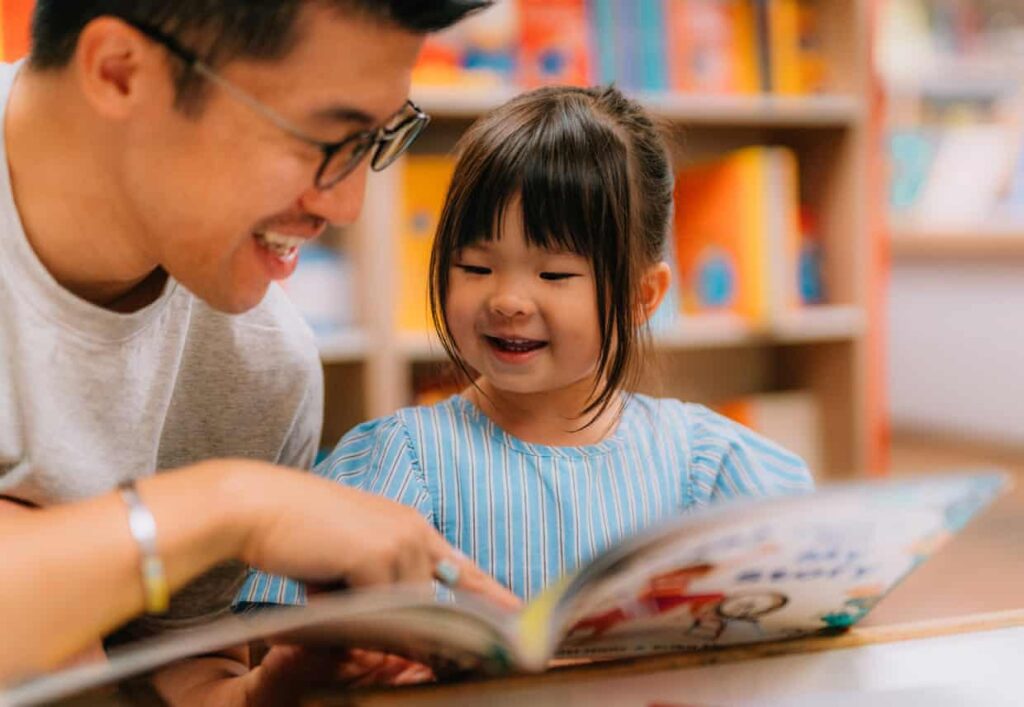
A recent discussion highlighted the challenges contemporary Australian picture books face as nostalgia for classics dominates the market. With beloved titles like Possum Magic and Animalia still cherished, the landscape for new authors has become significantly more difficult. Guardian Australia‘s ongoing poll for the best picture book of all time underscores the enduring popularity of these legacy titles while raising important questions about the future of children’s literature.
The publishing environment has evolved dramatically since the 1980s, a golden era for Australian picture books. Iconic works like Who Sank the Boat? captured the imagination of young readers and their parents alike. Today, however, the chances of new titles achieving similar success have diminished. As acclaimed author Graeme Base noted, pitching a book like Animalia to publishers now would likely result in failure due to shifting market dynamics.
Several factors contribute to these challenges. The rise of celebrity authors, the introduction of AI-generated books, and the declining presence of school librarians have complicated the process of reaching young readers. New titles, which may take years to create, often face a brief window of availability in bookstores—sometimes as short as two weeks—before being relegated to the shelves, a fate known as “death by spine.”
Moreover, the nostalgia for classic children’s books can overshadow newer releases. Adults often choose books based on their own childhood experiences, leading to a perception that older titles are superior. This view can distort the reality of contemporary children’s literature, which remains vibrant and relevant. According to experts, the quality of modern Australian children’s books is still world-class.
Contemporary literature has the unique ability to reflect today’s diverse society. For instance, works like There’s a Hippopotamus On Our Roof Eating Cake and The Tiger Who Came to Tea may not resonate with the realities of modern family dynamics. Newer stories portray a broader spectrum of cultures and family structures, allowing children to see themselves and their communities represented in fiction. Books such as White Sunday, which presents the culture of a Samoan family, and Come Over to My House, which addresses themes of disability, are paving the way for inclusivity in children’s literature.
While legacy titles like the Rainbow Serpent have played a crucial role in showcasing Indigenous culture, the current literary landscape features a wealth of contemporary First Nations authors. Writers such as Kirli Saunders, Gregg Dreise, and Trevor Fourmile are sharing their rich cultural narratives with young readers, enriching the fabric of Australian literature.
Modern children’s fiction also provides a crucial platform for exploring difficult social and environmental issues. Kate Temple, an established author with over 40 published books, noted that her work, Room on Our Rock, draws inspiration from the global refugee crisis. Such narratives help children develop resilience and critical thinking while allowing them to engage with complex topics in a safe and imaginative space.
To foster the next generation of readers, it is essential to support the local creative industry and encourage the emergence of new classics. As bookshops continue to prioritize nostalgic titles, it is vital for consumers to ask, “What’s new? What are children reading today?” Without making space for contemporary literature, the next wave of beloved children’s books may struggle to find their place on the shelves.
The voting for Guardian Australia‘s best Australian children’s picture book poll is open until the morning of March 15, 2024, with results expected to be announced the following day. As the literary conversation unfolds, the importance of nurturing new voices in children’s literature remains clear.