



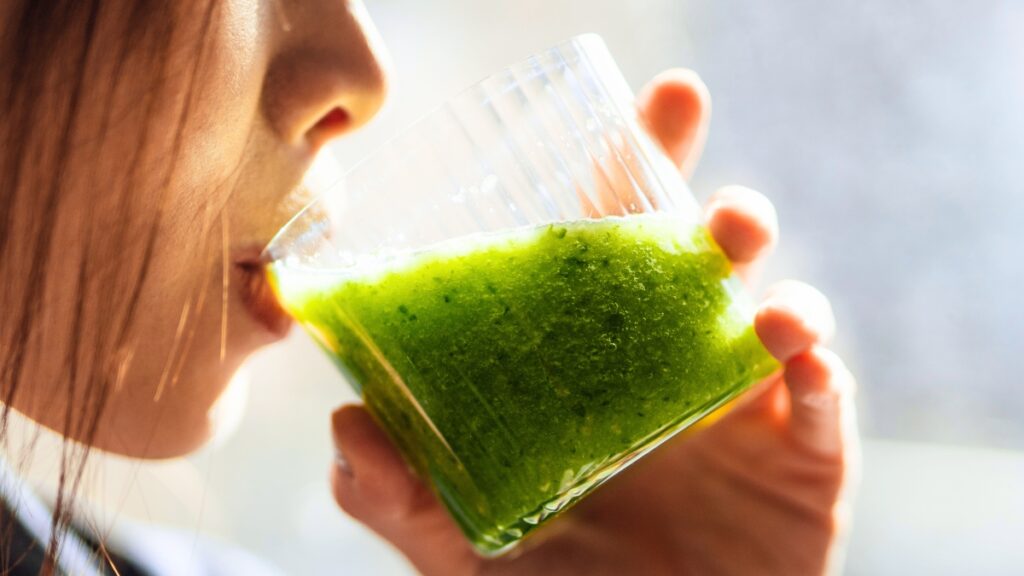
January often brings a wave of resolutions alongside the remnants of festive indulgence. Many people experience what is commonly referred to as a “post-holiday hangover,” characterized by overindulgence in food, drink, and screen time. This period frequently spurs a surge in detox culture, with social media flooded by promotions for green juices, charcoal supplements, and seven-day “liver resets.”
In the inaugural episode of the podcast Strange Health from The Conversation, hosts Katie Edwards and Dan Baumgardt critically examine the detox phenomenon, posing a fundamental question: Is detoxing necessary?
Understanding Detox Trends
The episode delves into various popular detox practices, including juice cleanses, detox teas, charcoal pills, and even coffee enemas. Throughout the discussion, Edwards and Baumgardt maintain a discerning perspective, often expressing disbelief and amusement at some of the more bizarre trends. They scrutinize the claims associated with these products, questioning what toxins they purport to remove and how the detox process is often misrepresented online.
A particularly striking point raised in the episode is how feelings of discomfort during detox regimens are frequently framed as indicators of effectiveness. This notion leads many individuals to believe that experiencing adverse effects is a sign that the detox is “working.”
The episode features insights from Trish Lalor, a liver expert at the University of Birmingham, who presents a straightforward message: “Your body is really set up to do it by itself.” According to Lalor, the liver, in conjunction with the kidneys and gut, continuously detoxifies the body without the need for extreme dietary interventions or expensive supplements.
The Reality of Detoxing
For the vast majority of healthy individuals, Lalor asserts that there is no necessity for drastic detox measures. She emphasizes that while some ingredients may provide benefits, many detox products offer little value and can even be harmful if misused.
Lalor explains that authentic detoxification is not found in supplements or patches. Instead, it involves fundamental health practices such as staying hydrated, consuming adequate fiber, getting sufficient rest, and moderating consumption. She stresses that the liver is already highly efficient at performing its detoxification duties.
In her words, if one is investing in detox patches and supplements, it is likely their wallet that will be cleansed rather than their liver.
As detox culture continues to gain traction, the insights shared in Strange Health provide a much-needed reality check. The episode serves as an important reminder that maintaining a healthy lifestyle does not require drastic measures, but rather a commitment to balanced living.
This article is republished from The Conversation under a Creative Commons license.