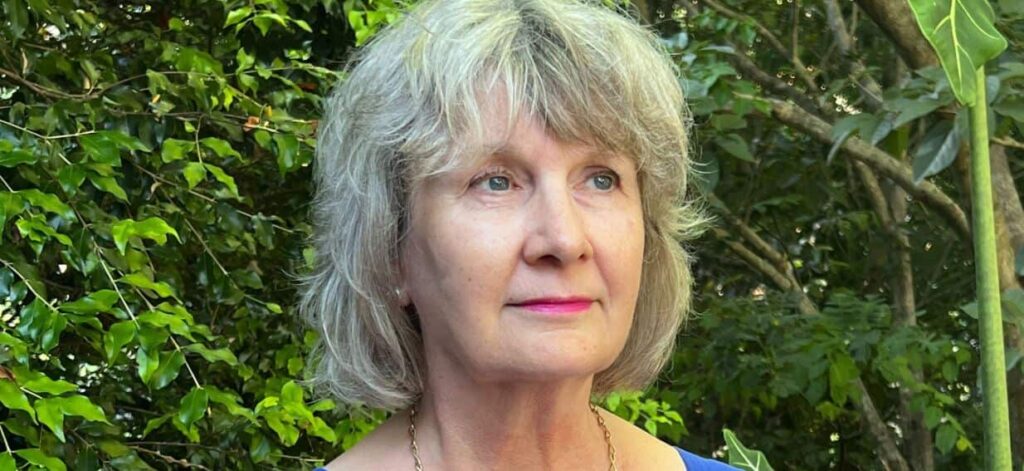
A mother from the United States has uncovered a startling revelation regarding her two children conceived through donor sperm in the late 1990s. Carol, who wishes to protect her family’s privacy, recently learned that her children may have hundreds of half-siblings as a result of the same sperm donor, leading to feelings of guilt and concern.
The discovery came to light after Carol and her family decided to pursue genetic testing through a popular ancestry service. While the initial intention was simply to learn more about their heritage, the results were shocking. The testing revealed that the donor they selected had contributed to a much larger number of offspring than anticipated, raising ethical questions about donor anonymity and the implications of such widespread genetic ties.
In the 1990s, many parents seeking donor sperm often did not fully understand the potential consequences of their choices. At that time, privacy was a significant aspect of donor agreements, which typically allowed donors to remain anonymous. This practice has since evolved, with many countries now enforcing stricter regulations to ensure transparency. In Carol’s case, the retrospective implications of these agreements have elicited concern not only for her children but also for the numerous families potentially affected.
Carol expressed her emotional turmoil in an interview, stating, “I never imagined this would be the outcome. I feel immense guilt knowing that my choice could lead to so many half-siblings for my children.” The ramifications of such a situation extend beyond personal feelings; they prompt broader discussions about the ethics of sperm donation and the rights of children conceived through these means.
The rise of genetic testing platforms, such as Ancestry.com and 23andMe, has brought to light numerous similar stories. With millions of individuals participating in these services, unexpected connections and revelations about parentage are becoming increasingly common. In many cases, individuals discover they have half-siblings or even unknown parents, which can lead to emotional upheaval and complex family dynamics.
The American Society for Reproductive Medicine has acknowledged these issues, emphasizing the need for more stringent guidelines concerning sperm donation. The organization advocates for transparency to ensure that donors and recipients are fully aware of the potential consequences of their decisions.
As Carol navigates this new reality, she is left grappling with the emotional weight of her family’s genetic legacy. She hopes her story will inspire other parents considering sperm donation to think critically about their choices and the potential implications for their children. “It’s important for future parents to understand what they might be opening up,” she reflected.
While Carol’s situation is unique, it highlights a growing trend in modern family structures. As society continues to evolve in its understanding of genetic relationships, the need for dialogue surrounding donor anonymity, transparency, and the rights of children will only become more pressing.
This evolving narrative around sperm donation and genetic testing serves as a reminder of the complexities of modern parenthood and the profound impact that choices made decades ago can have on families today. The conversation surrounding these issues is likely to continue, as more individuals confront similar revelations about their ancestry and familial connections.