



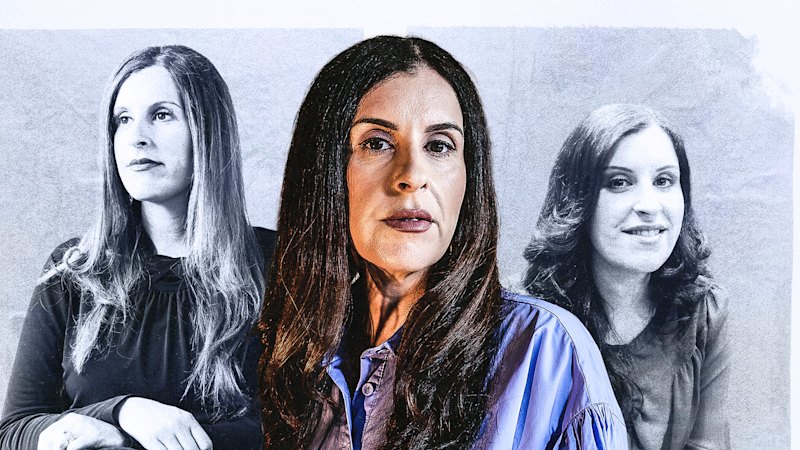
Randa Abdel-Fattah, a prominent Palestinian Muslim academic and author, became the center of controversy following her disinvitation from the Adelaide Writers’ Week. This decision, made under pressure from lobbyists and select media, has led to significant upheaval within the festival, ultimately resulting in the resignation of its director and several board members.
Abdel-Fattah’s novel, *Discipline*, features a character, Dr. Ashraf Magdy, who exploits political tensions to secure funding for a government project aimed at deradicalization. The narrative critiques individuals who compromise their beliefs for personal gain. Abdel-Fattah, reflecting on this character, expressed her disdain for such compromises, arguing that true change arises from “insurgency and insurrection.”
In the wake of her disinvitation, the festival has been embroiled in a heated debate over cultural safety and freedom of expression. Following a week of intense public discourse, the new festival board has since reversed their decision, offering an apology to Abdel-Fattah and extending an invitation for her to participate in next year’s event. While she contemplates this opportunity, the incident has garnered considerable media attention and highlighted her long-standing activism.
Abdel-Fattah’s activism has deep roots, tracing back to her formative years. Born in 1979 in Sydney to a Palestinian father and an Egyptian mother, she experienced discrimination firsthand. Her early writings, including the acclaimed *Does My Head Look Big in This?*, reflect her experiences as a Muslim girl in Australia. With over fourteen published works, she has received accolades such as the Victorian Premier’s Literary Award Prize for Writing for Young Adults.
The recent escalation in Abdel-Fattah’s public profile correlates with the events of October 7, 2023, when Hamas launched a significant attack on Israel. In a controversial move, she updated her social media profile to a symbol associated with the attack, which she later apologized for, stating, “I had no idea about the death toll.” Despite this, her comments and actions have drawn sharp criticism, particularly from pro-Israel groups.
As tensions have risen, Abdel-Fattah has faced backlash for her outspoken views against Zionism. In her writings and social media posts, she has made provocative statements, asserting that “if you are a Zionist, you have no claim or right to cultural safety.” Critics have accused her of promoting divisive rhetoric while simultaneously seeking protection for her own expressions.
In light of her activism, Abdel-Fattah has faced various challenges, including the suspension of a substantial research grant from the Australian Research Council. This suspension followed her controversial remarks about utilizing funding for activist purposes. Despite public outcry and support from colleagues, her institution, Macquarie University, cleared her of any wrongdoing after a lengthy investigation.
The ongoing debate surrounding Abdel-Fattah’s statements underscores the complexities of discussing Zionism and its relationship to Judaism. While she differentiates between the two, critics argue that her language can contribute to a culture of hostility. As the discourse continues, prominent voices within the Palestinian activist community, like Nasser Mashni and Samah Sabawi, assert that Abdel-Fattah’s views represent a broader struggle against oppression, asserting that her activism is part of a legitimate movement.
As the dust settles from the Adelaide Writers’ Week debacle, Abdel-Fattah has emerged as a significant figure in the ongoing cultural war over free speech and activism. Her journey, marked by controversy and resilience, indicates that she will continue to be a pivotal voice in discussions surrounding race, culture, and politics in Australia. In a recent podcast, she described the events as “galvanising” and expressed her commitment to engaging with issues that matter deeply to her community. The question remains as to how her evolving narrative will impact future discussions within literary and academic circles.