




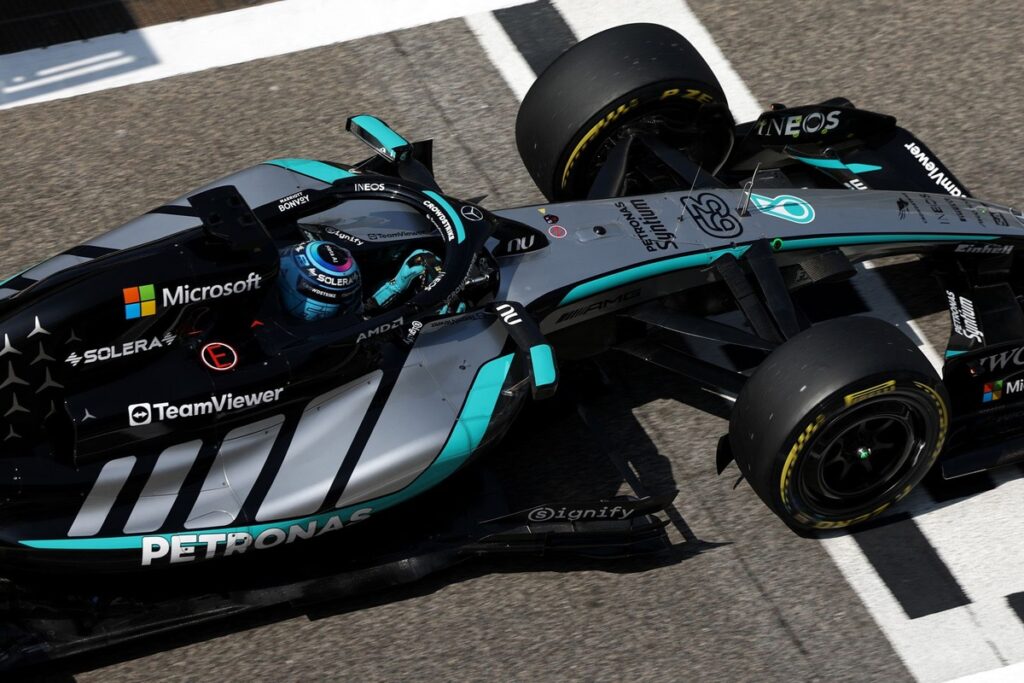
Petronas is urgently seeking certification for a new sustainable fuel that will be utilized by Mercedes-powered teams in the upcoming 2026 Formula 1 season. The company faces a tight timeline as it works to meet the homologation requirements set forth by the FIA, which oversees all technical regulations in the sport.
Historically, fossil fuels have undergone testing and certification at a British laboratory affiliated with the FIA. Manufacturers were required only to submit a sample to confirm compliance with the necessary technical standards. As Formula 1 transitions towards greater sustainability, the introduction of this new fuel marks a significant shift in the sport’s environmental approach.
Transitioning to Sustainable Practices
The move to sustainable fuels is part of Formula 1’s broader initiative to significantly reduce its carbon footprint. By 2026, the sport aims to ensure that all teams utilize a fuel that is not only efficient but also environmentally friendly. Petronas, a key player in this transition, is committed to developing a fuel that aligns with these ambitious goals.
The upcoming season will see the fuel deployed across all Mercedes-powered teams, which have historically been among the top competitors in the sport. The pressure is on Petronas to ensure that the fuel meets stringent performance and safety standards before the season begins.
Petronas has previously collaborated with Mercedes in developing innovative technologies, and the successful certification of this fuel could enhance their longstanding partnership. The implications of this transition extend beyond just racing; they represent a pivotal moment for the automotive industry as it seeks to embrace cleaner energy solutions.
Challenges in Meeting Deadlines
Obtaining homologation within the specified timeline presents several challenges. The rigorous testing process involves thorough evaluations to ensure that the fuel not only meets regulatory requirements but also performs optimally under the extreme conditions of Formula 1 racing.
The FIA has outlined specific parameters that the new fuel must satisfy, including its impact on engine performance and emissions. This scrutiny ensures that the transition to sustainable fuels does not compromise the competitive edge that teams strive to maintain.
As Petronas works diligently to navigate these challenges, the company remains focused on delivering a product that meets both regulatory and performance standards. The outcome of this effort will be closely watched by teams, fans, and industry stakeholders alike as Formula 1 races forward into a new era of sustainability.
The 2026 Formula 1 season is set to be a landmark year, not only for the introduction of sustainable fuel but also for the potential technological advancements that could redefine the sport. Petronas’s ability to successfully homologate its fuel will play a crucial role in shaping the future of racing and its environmental impact.